
 By
By In life, change is hard. Change is really hard for many traditionalist audiophiles who can, respectfully, get a little stuck in their ways from time to time. Where this becomes a real issue is in our never-ending joyful audiophile journey to better sound. As part of the process of getting to the next level of audio excellence, components will come in and out of your system as a normal course of business. As I am a professional audiophile reviewer, gear is coming in and out of my system all the time. How we deal with this level of new and different in our audio systems has a lot to do with how we get to our audiophile promised land.
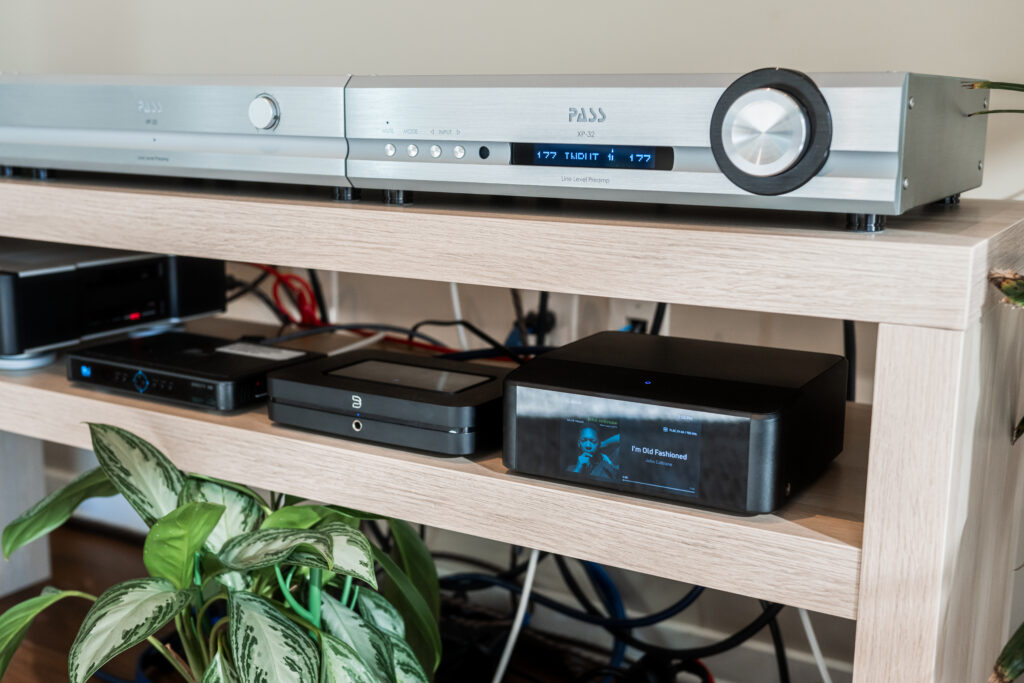
Only Allow One Variable Per Audiophile Test
Whether you buy from, say, Crutchfield, Amazon, Audio Advice, or maybe even the local dealer, and have the UPS and/or FedEx guy show up loaded with gear – it isn’t hard to create your own audiophile Christmas Morning event. Before you rip off the wrapping paper and plug in all your new toys, be mindful that each component swap-out can be really impactful. How much impact is created by said upgrade (assuming that it is an upgrade, which isn’t always the case) can only be determined by making one change at a time. Taking the time to add in each new element carefully is a mindful way to effectively improve your system. Most stores will allow a reasonable amount of time to demo gear in your system, so don’t be in a mega-rush to draw a conclusion. It is better to savor the changes and embrace them if you like what you hear. Are the changes worth the money, or just different? This is your question to answer, but a very good one nonetheless.
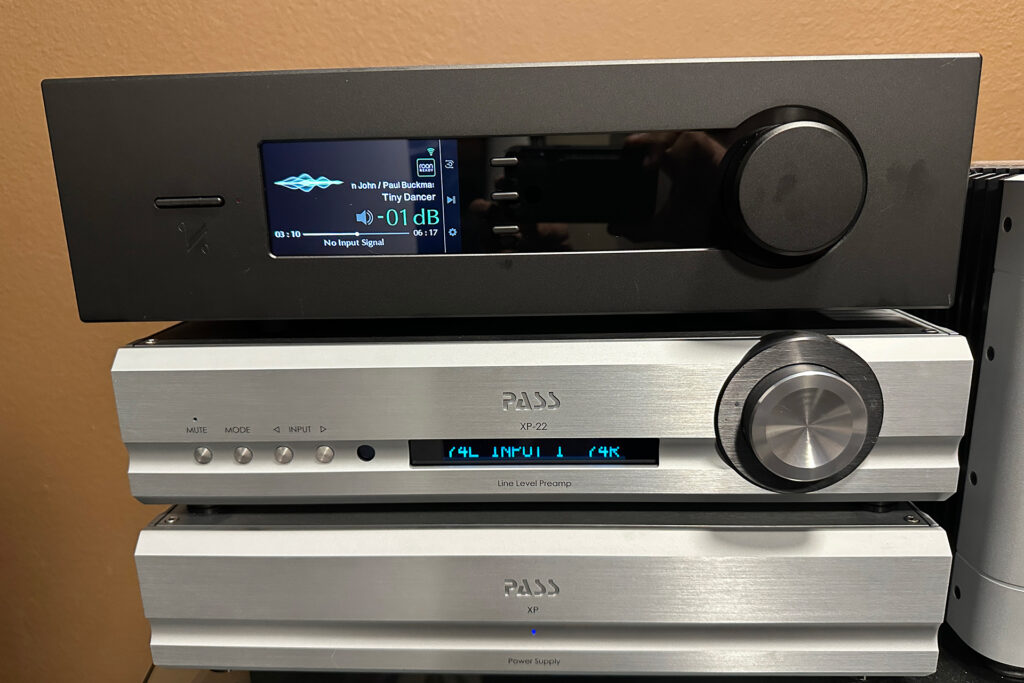
Volume-Matching is a Must When Evaluating a New Audiophile Component
Not matching the volume is a common audiophile mistake when evaluating gear, but it is easy to avoid. Here’s a fact: louder sources are going to sound better. If you are comparing components, you need to match the levels for the output of the components. How do we do this? This is easy with the use of a physical SPL meter (or an app on your phone that does the same thing). Use a test tone (best) or a familiar musical track and make sure that you are outputting at close to the same level. A three-dB difference in output can sound like a radical change in components.
Pros know how to use volume to their advantage. Our readers now know how to make sure that volume can’t be used as a trick to get you to buy something that isn’t right for your system or tastes.
Just Because a Component is More Expensive Doesn’t Mean That It is Better
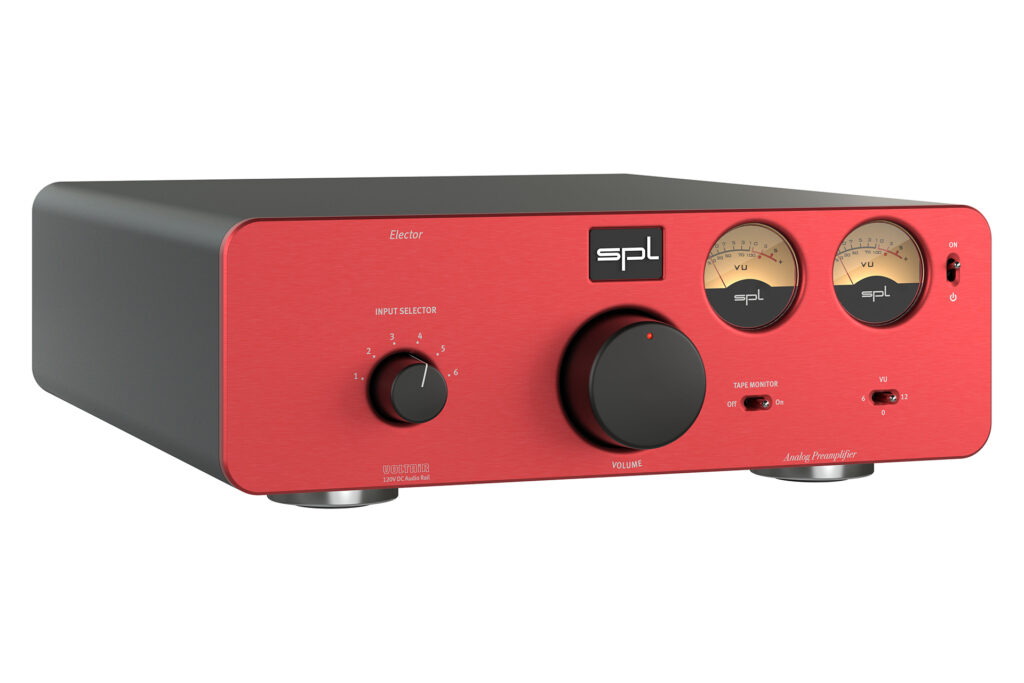
We gave the SPL Director DAC/Preamp (read the review) the 2024 Gear We Love Product of the Year. This is a roughly $3,000 stereo preamp and internal audiophile-grade DAC. Is it a good value? Oh, God, yes it is. Does it compete with my $20,000-plus three-chassis Pass Labs XP-32 stereo preamp (read the review)? At about one-eighth of the price, the SPL can actually compete. The SPL isn’t as amazingly resolved or detailed ass the Pass Labs preamp but, for the money, you can’t believe the difference – or perhaps the lack of difference would be a better way to state it.
Bringing in preconceived notions of what is supposed to sound better because it costs more is a broken concept. Audio gear is priced more like wine than anything else. Scarcity, low production, hand labor, locality of manufacturing all factor into price. As much as some on the political right might not like it, the fact is that a lot of truly great audiophile gear is made in China today. Speakers, electronics – everything is in play. Factories in China can make, with exacting precision, components that can hang with ones costing 10 times more from Switzerland or Singapore.
The goal here is to listen with your ears more than with your heart or wallet.
Knowing That Change is Underway is More Than Half the Battle
If you are auditioning a new audiophile component and that change is coming to your system, perhaps with a pending upgrade, then you are in the right mindset to make a good decision for your next sonic move forward. Even better is if you know that, going to get into such an upgrade, when you swap in something new in terms of cables and components, your sound is likely going to change (good or bad). We discussed the importance of getting your volume matched, which is essential, but so is accepting that you might want to take a few days to listen to a select sampling of your favorite music. Over that period of time, you are giving yourself a chance to get used to said component’s sonic advantages and disadvantages, as well as its relative value.
Don’t rush yourself whatsoever. You don’t have to like a new component just because it is new. You certainly don’t have to love a new component because it is more expensive, either. Do you enjoy your music better with the new component in your system? This is what matters perhaps over all else.
There is No Pressure to Make Upgrades Just For Sake of Changing Gear
No audiophile should feel pressure to make system upgrades, unless the issue becomes a matter of discussion. If you are feeling like it is time to push for the next level of performance – then game on. Standing put on your current system is always on the table, and a viable move from time to time. At the same time, if you don’t feel a proposed upgrade, you don’t have to plunk down the platinum card just because. Gear can go back, and you should feel no shame about it whatsoever. Upgrades aren’t always that big but, at any size, they should make you happy. You should feel good about the value proposition and the direction of your system. If for any reason you aren’t feeling it, you can revert back to where you were, as there are nearly countless other paths than you can take and likely also make you happy.

Bring In an Audiophile Friend for Your Listening Sessions
If you have local audiophile friends, perhaps invite them to come by for a little listening test. While their ears will assuredly hear a little differently than yours, getting a second opinion can make for a more confident audiophile upgrade decision. Perhaps you have gotten too into the weeds with your A/B testing. An audiophile friend can bring in a fresh perspective and a new set of ears that can dispute or back up your observations.
Another idea is to bring in your spouse. The audiophile hobby is almost exclusively male, but women (especially as we get older) often hear better than men. Why not seek a spouse’s opinions on what you are hearing? Honey, can you hear that? Does this sound better this way or that? Make them a part of the decision (not the sole decision-maker), and perhaps you can overcome some cliché WAF (wife acceptance factor) issues while making a more solid decision.
Some Final Thoughts on Getting Used to New Audiophile Gear
When I am restoring my system back to its reference configuration, as I do all the time in my review process, I need to take time to accept that change, too. Without question, the system sounds different, and that is OK. At first, the difference of switching back can be shocking or sonically jarring but, with just a little patience, you will get reaccustomed to things in just a few days – maybe even a few hours.
Not every change in our audiophile system is a big one. In the real world, not every change is a better one, either. Sometimes we have setbacks, even when making a well-intentioned upgrade. That is how things are in the audiophile world and, in the end, the process of improving your audiophile system is a dynamic one. There will be more ups than downs but worry little about making a mistake, as it just might be more of an audiophile detour than anything else.
In the end, a little patience paired with some careful listening can help up us not just get used to a new level of sonic performance but to also help us feel good about any financial investments that we make in our set-ups.
What is your process for bringing in review gear to your system? Do you try to listen to more than one component at a time that is new to your system? Have you ever tried to volume-match new and old components? Tell us how you work and we will post your comments ASAP.




I’ve had two SPL Electors. The first one lasted four months while the replacement lasted two months. I got a full refund. A pathetic POS . . .
I had two SPL Electors for a total of 6 months. The first lasted four months while the second lasted two months. I returned the latter unit for a full refund. A pathetic POS . . .
I definitely only make one change at a time. The only way to know what to attribute any difference to. A/B comparisons are typically not practical for me. How I operate I will listen to my system for a few songs then switch the component then listen to the same songs again and determine any differences and if they are good or bad or indifferent. I am very familiar with my system this usually works for me. I like to listen to the new item for awhile then put the prior unit back in. If I feel I can’t live without the new piece, so to speak, then I will go ahead and make the purchase. I personally find in comparing components any difference is not subtle. Meaning something changes, my job is that change something I like and enough to spend what it costs to keep it.
I also agree with you that you have to spend time with the new piece.
I’m deciding on trying a separate power amp and preamp for my main system. I have enjoyed my Parasound Hint for about 10 years but it was for inefficient 4 ohm speakers and I have switched to their opposite floorstanders at 8 Ohms. My digital and analog sources are sorted. Is a 15 day trial period enough to discern different from better? There is plenty of life left in the integrated. A nice problem to have though.
15 days is enough time if you are home and can get all setup.
With that said, 45, 60 or even 90 are more common and favorable.
You can buy stuff from our links at Crutchfield. They have a very liberal with their return policy and sell many of the best brands.