
 By
By The 2026 Axpona Audio Show (read our coverage) was the largest in their history. Over 12,000 visitors, audiophiles, press and industry personnel spent three days at the Renaissance Schaumburg, the large convention center/hotel about 30 minutes from the Chicago O’Hare airport. Some 200 or more rooms were devoted to all things audio. This is a significant increase over the allotment of rooms and attendees from last year. There were, in fact, so many rooms that I doubt three days would even provide sufficient opportunity to see every room and spend quality time at each one. I wandered into quite a few unexpected rooms and one thing became abundantly clear – there were a lot of products aimed at much smaller, much less involved systems with fewer boxes, lower costs and dramatically smaller footprints.
Small, self-powered, fully streaming-capable, two-way bookshelf speakers were more popular than I would have imagined. Their pitch, as it were, was that the only additional device necessary for them was a way to stream music. An iPhone, or almost any other handheld device, would suffice. These speakers could be placed almost anywhere, mostly out of sight on or in a cabinet. Yet music could still be played and heard. There were also systems with a rather compact integrated amp, complete with a streaming hub, DAC, and obviously a power amp and preamp. Connect two small bookshelf speakers, and an audio system awaits. Many of these compact, one-box systems and standalone speakers delivered unexpectedly high-quality sound. Factor in an affordable price, and it made for a very tempting path to a really nice-sounding music system. As I wandered around from room to room and floor to floor, I kept thinking: is the future of the audiophile hobby going to be what many term as a “lifestyle product?”
What Exactly is an Audiophile Lifestyle Product?
- An audiophile lifestyle product is a single, or small footprint, device that plays music and integrates into one’s everyday routine without calling attention to itself. Aesthetic design is prioritized almost as much as sonic performance. Features are designed to reduce the system’s footprint by combining as many resources as possible into one box.
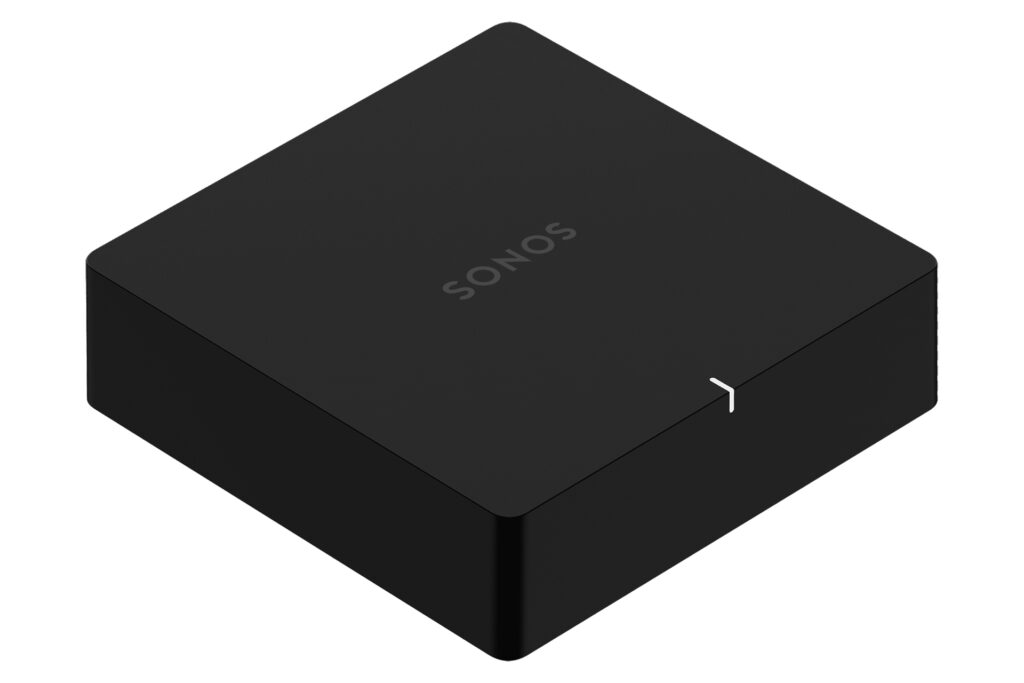
- Many lifestyle systems also incorporate multi-room, or even whole-home, integration. Most two-channel audiophile systems do not offer this level of playback assimilation. The Sonos system I have downstairs is a perfect example. I have the Sonos Port and Four Play 1 speakers positioned around the downstairs of my home. Basically, the speakers are in the four corners of the downstairs. I have placed them so that they are not especially visible. Music just appears from an unknown location. Primarily, I use this system when my wife and I have guests over for dinner. It offers one thing and one thing only – background music.
- In modern times, most lifestyle products are governed by an app that controls everything.This is absolutely representative of a small bookshelf speaker system with an internal amp and streaming capability. Simply place the speakers in a convenient location, plug them in, wirelessly connect a control device like a smartphone or tablet via Bluetooth, and music awaits.
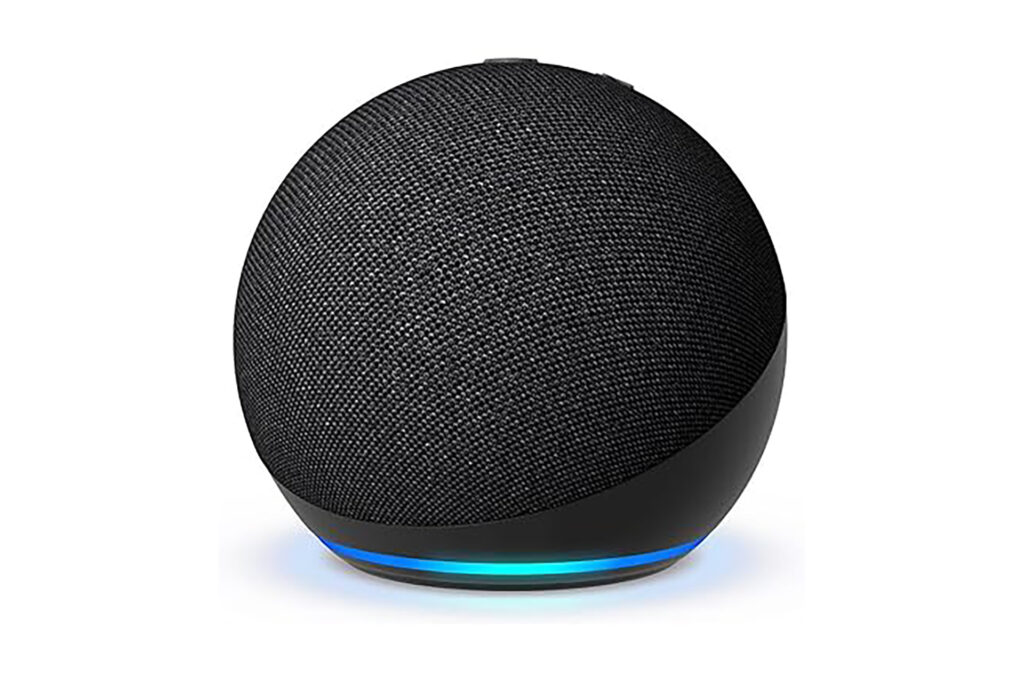
- Some devices have voice control. First to mind is the Amazon Alexa. If you want to listen to rock and roll, simply tell Alexa to play rock and roll. You can also more narrowly define genres by commanding, “Alexa, play some Led Zeppelin.”
- Lifestyle products are designed to offer alternatives to the more mainstream two-channel systems consisting of a digital source or turntable, DAC or phonostage, preamp, amp and speakers. All of these components in one system are typically large enough to require some sort of equipment rack. Add two floorstanding loudspeakers or, additionally, one or two subwoofers (never mind a line array of six REL subs [read my review], three per side, like I have in my system), and it is profoundly simple to understand how an entire room may be consumed by an audio system. The salient question is: will all family members be happy with such a system arrangement? And if not, bingo, lifestyle product.
Lifestyle Systems May Be Easier to Place in the Home
The entire audiophile hobby is one of seeking the next plateau in ultimate performance. Simplicity is a major appeal with an audiophile lifestyle system. Some family members can struggle with our often complex or fragile two-channel systems. There are those family members who do not want a rack with 10 audio components and five-foot-tall speakers halfway out into the room. At the same time, they do want good sound in their lives. There are more solutions to this audiophile conundrum today than ever.
What a lifestyle system offers is the opportunity to have very respectable-sounding music, plus the capability for perhaps some dynamic sound for family movie night. This certainly tends to define the “lifestyle” moniker. Make no mistake, there is nothing, and I mean nothing, wrong with this type of music/movie playback system. In fact, I can almost guarantee there are more of these types of systems than $50,000 or even $100,000 genuine two-channel audiophile systems.
How Much Does an Audiophile Lifestyle System Cost?
Like the audiophile hobby, prices for lifestyle audio products have a wide range from low to high. Lifestyle audio systems offer reasonable-quality sound at a “mostly” affordable price. Amazon has the Echo for $49, the Echo Show 5 for $89 and the Echo Show 11 for $219. My existing Sonos (buy at Crutchfield) system will cost $500 for the main streaming unit, what Sonos now calls the Sonos Port (read our review). My Sonos Play 1 speakers have been replaced by the Sonos Era 100 SL (buy at Crutchfield) for $189 each. Total cost for my downstairs Sonos system is a mere $1,255.
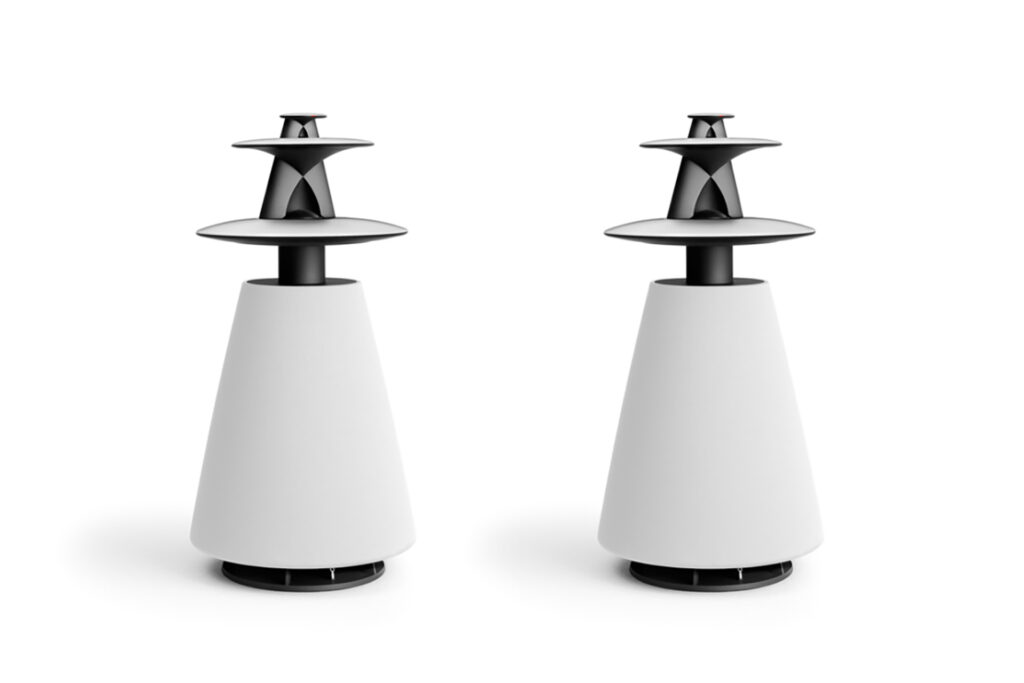
We have already identified three Amazon Alexa powered options, and none of them are prohibitively expensive. Sonos can range from just under $1,000 to about $3,000 for a fully assembled system – more if a whole house system is involved. AXPONA had a number of powered bookshelf speakers from about $1,000 to about $5,000. Many traditional high-performance audiophile companies are now providing powered speakers that can also stream, thereby eliminating the traditional amp, preamp and DAC components used in traditional systems. KEF has the Coda W (buy at Crutchfield) all-in-one for the price of $999 per pair. They also have the wildly popular LS 50 Wireless (buy at Crutchfield) for about $3,000. Bowers and Wilkins offers the Formation Duo for about $5,000. For those who like the French maker Devialet, the Phantom (buy at Crutchfield) retails for $7,600 per pair. And if you really want to go the edge of your seat extreme, Denmark-based Bang & Olufsen offers the Beolab 90, with a retail price that starts at the eye-popping cost of just under $212,000. Of course, you will have the ability to customize the beam direction, beam width, and have active room correction. This in a highly avant-garde floor-standing design, guaranteed to be a topic of conversation.
Bottom line: lifestyle music systems span the range of capability, price, design and functionality.They may assimilate into a room to the point of hardly being noticed. Their prominent placement may also spark discussion. They may have world-class sonics or hardly more than a low-fidelity playback method on an equivalent level as a handheld device. What they all provide is an alternative to the traditional separate-component audiophile systems housed in a large rack and encompassing an entire room.
Can A Lifestyle Product Be a Path Towards a Traditional Audiophile System?
- As we have stated many times, our goal at Future Audiophile is to be a voice for younger enthusiasts looking to become part of the audiophile community. As is most often the case, young people, someone just out of college, for instance, will very likely not be able to afford a world-class audiophile system. My first system, procured after months of yardwork all around the neighborhood, was in every way budget-priced, based on 1972 prices, that is. As I got older, and had more disposable income, my audio system improved. Of course, in those early years, I never had access to a lifestyle system. Or Alexa.
- Lifestyle systems may entice a budding audiophile to seek better sonics than such minimalistic audio may provide. The idea is that with better equipment comes better sonics.
Final Thoughts on Audiophile Lifestyle Products
A lifestyle-based audio system does not require spending $50,000 or more, and yet it may legitimately be argued that any of these types of systems will produce a pleasing sound. And, in the case of the Alexa solutions, incredible ease of use is at the forefront of the appeal. Sonics come second. And while Sonos may sound exciting to many listeners, I find its ultimate value is for one thing and one thing only: background music. If I want to really listen to music, I go upstairs.
Lifestyle systems may also be very expensive and make the attempt to combine excellent sonics with a low, or at least lower, profile. Their main purpose is to easily and seamlessly be incorporated into the room with minimal floor space. However they may be judged, however their sonics may be deemed important, however they may be used by either the family for movie night or as a replacement for a two-channel audiophile system, it seems the lifestyle product category is an up-and-coming alternative to the traditional audiophile system. How the definition of lifestyle is viewed by any one music enthusiast will vary. How much is spent on such a system will vary. How accepted this new category of music system will be by traditional audiophiles will also vary. And for those enthusiasts who look for the ultimate in sonic capability and have the investment in their system to find the ultimate, a lifestyle product will never supplant a world-class audio system. As for me, it is fair to say I have both. However, they are used for polar opposite purposes. Because, for me, the reproduction of world-class music will always be accomplished with an audiophile music system. Lifestyle ranks a distant second. But that’s just my opinion. What do I know?
Do you have any other lifestyle systems in your world that live in conjunction with your main two-channel rig? Tell us about them, how you use them and how you like them. We will post your comments ASAP.




I think that one of the main things that is driving the “Lifestyle” systems is the way the U.S. economy is these days. When I was a young man. I expected to own a home where I would have the footprint for a large system. Those dreams for 90% or more no longer exist sadly. So small is the only way to go.
Just wait until we have our first RECESSION in 18 years (and counting)…
Everything will be less $$$ – especially houses.
For those who are still employed, 2009 was a warning the next big recession will be bloody.
I can easily join this discussion, as I am deploying a new system in a second residence.
We have a Texas Panhandle home with a dedicated home theater (19x25x10): Parasound Halo A31, Parasound Halo A51, Parasound 12 channel distribution amp, Marantz 8805A, Eversolo DMP-A10, Oppo 203 UHD, Epson LS1000, Screen Innovations 120″, GoldenEar speakers-Triton One References, XXL center, side, rear, and ceiling speakers. Plus room treatment and control4 whole home control and a Furman……all racked. Avid music (via Tidal and Qobuz) and movie fan. Sounds “pretty good” to these 74 year old ears.
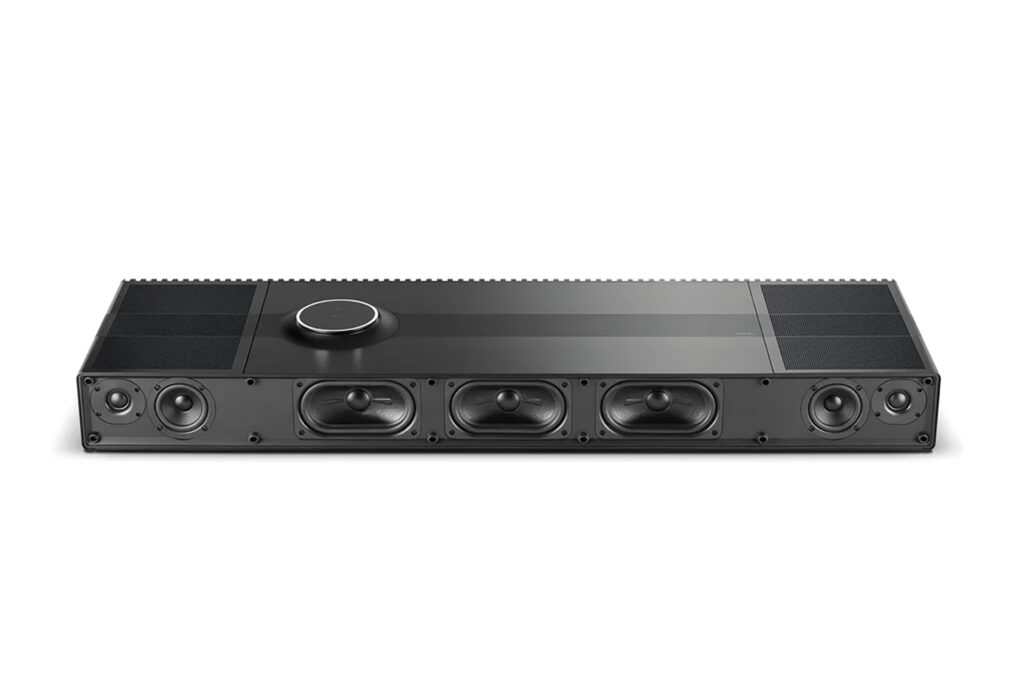
But, I am deploying a new system in a 2000 sq ft 55+ senior apartment in FT. Worth (to be near grandkids). Utilizing a 15x12x8 3rd bedroom as a small theater Ihave opted for a “lifestyle” system. It includes only a 98″ Sony Bravia 5, Sony BluRay, and a Focal Muso-Hekla sitting atop a Salamander cabinet. Plus control4. Theater guys set it up last week. I am quite pleased with the resulting sound and functionality. Room treatment still needed (hard surface floor). In a small area the Hekla provides audio, amplification, and streaming in one slick-looking package. Pleased so far, but let me live with it for 6 months. I am thinking of re-upping with vinyl player as I have 200+ vintage 60’s-80’s LPs “properly” boxed up.
I clearly see the benefits of “lifestyle” audio. It will vastly outsell traditional audio systems in the coming years. Convenience, price, and good sound will trump the “audiophile” quest for legions of music listeners.