
 By
By It is going on three years (July 1) since my last drink of wine or Scotch or vodka (or anything boozy). COVID and too-much-MSNBC-inspired fistfuls of Titos on too many nights and it wasn’t making me really all that happy. When my health took a potentially fatal turn at the end of 2022, I got even more religion when it came to alcohol and mustered up the will to quit. Now, not drinking is all the rage here in California and, while I don’t miss wine and spirits overall, I do miss the academia of wine and Scotch. I enjoyed knowing the people who made my wine. It was fun to learn about the terroir of some of the best wineries in our fine state, as well as around the world. Do I miss drinking enough to go back? Nope. But one phrase that I can’t get out of my mind is, “If you want to be a millionaire in the wine business – start with 20 [million].” This is good advice, as far too many people with boatloads of money and not a clue how to make wine move to the Central Coast or Sonoma or wherever and get into that business. Most fail while spending untold sums of money chasing a passion.
Does this remind you of anything from our audiophile world?
Passion for wine or spirits (or even brewing beer) is quite comparable with audio. Wine is often an organic passion project. It often is local in its scope or roots. It can be done as a business on a smaller scale. It can be done as a retirement project that sells to an enthusiast audience. The customers who are true wine enthusiasts know a great deal about what they like to drink. They know all about the process. They study different vintages. They get to know the winemakers. This is just like audio where, still to this day, you can call up a truly iconic audiophile designer and get him on the phone (they are all “hims” – sorry, pronoun people, the designers are actually all men) and talk with them for an hour on the phone. It is downright civilized. Experience and information are freely exchanged. Lessons get learned. New pathways in your audiophile journey often open up. It is an elevated audiophile experience, and it is something that makes our hobby unique. Unique often doesn’t mean profitable.
Can a Well-Intentioned Investor Fix an Audiophile Company?
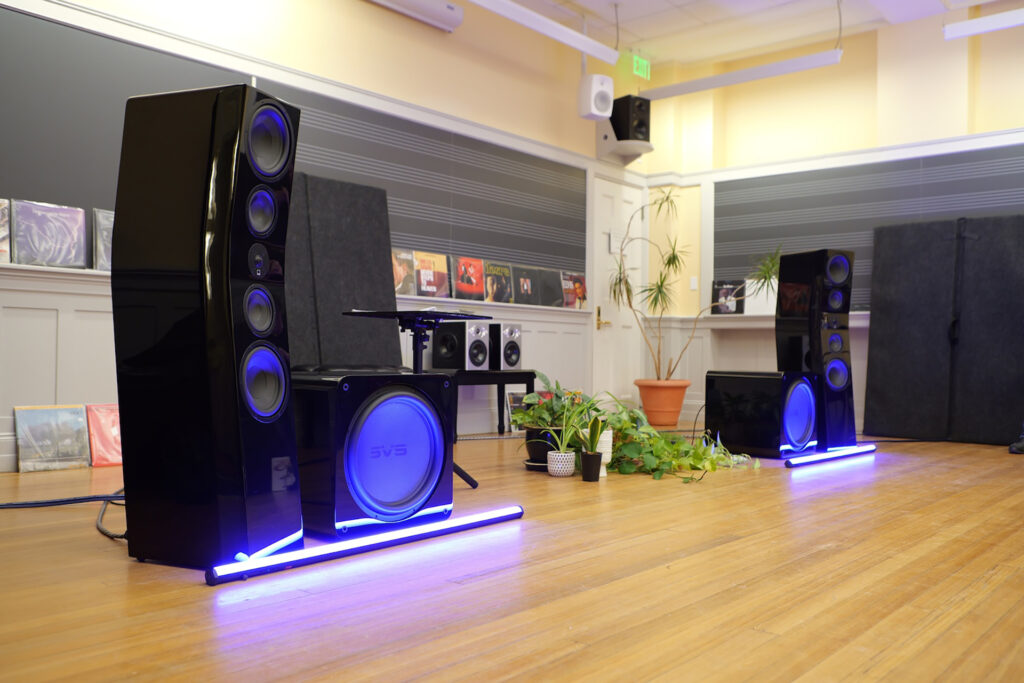
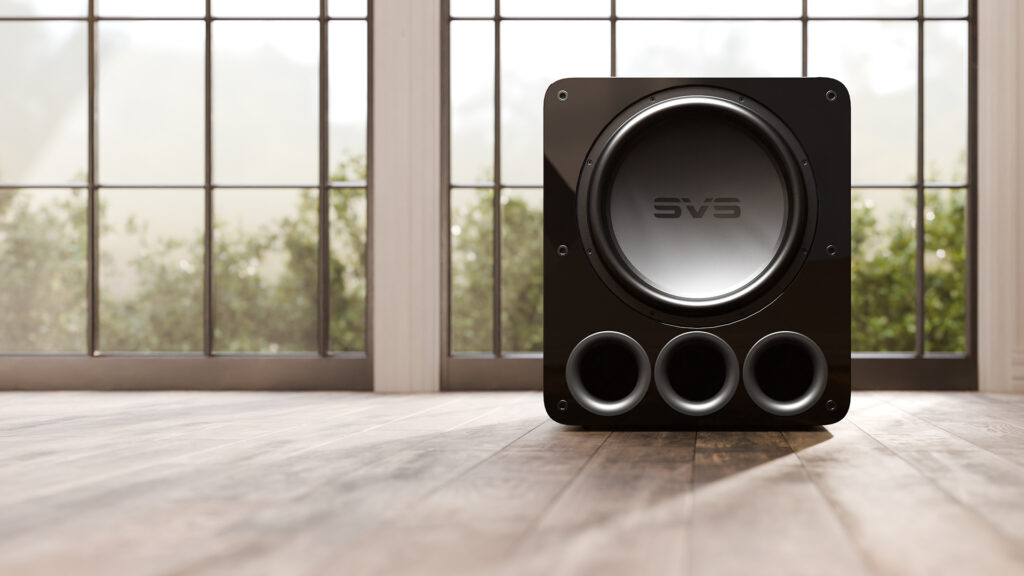
The simple answer is: yes. When Gary Yacoubian, a highly respected retailer from the Washington D.C. area, got into manufacturing he took over a forum favorite, the Ohio-based enthusiast SVS audiophile subwoofer company that did a few million dollars per year and, within a decade or so, he added a zero (and then some) to the top-line revenue. SVS is one of the highest-value audiophile/CE companies in the enthusiast space when it comes to their products. Yacoubian and his team opened up distribution channels in ways that would make Bose proud. SVS sells direct to the consumer. Additionally, they have a robust affiliate program. They also sell to specialty AV dealers but not just any dealers, the really top notch ones. They sell gear to enthusiasts/custom installation or CEDIA-type dealers. They sell at catalog dealers like Sound Advice and Crutchfield. They sell on Amazon ,too. They are everywhere.
SVS makes and sells very high-value AV products. They were generous enough to give away two of their reference SVS SB-17 subwoofers (read Paul Wilson’s review), along with their $5,000-per-pair SVS Ultra Evolution Pinnacle floorstanding speakers (read my review) to the Shelemay Audio Lab at Harvard (learn about the event) as part of our program there. These speakers punch so high above their weight that it isn’t even funny. These modestly-priced speakers filled a giant classroom on a freezing day on campus in Cambridge, Massachusetts, while rocking DSD master tape tracks from The Rolling Stones in ways that million-dollar systems can’t hope to achieve. SVS gets value and so do SVS’ clients. They’ve built a very transparent and honest win-win relationship with their clients.
Much like the classic Bob Carver story (he allegedly borrowed $5,000 from his local Washington State bank and spent it all on marketing to launch his namesake company), SVS gets marketing. Yacoubian was one of the people who encouraged me to start FutureAudiopohile.com, and he bucked up with some ad money from Day One. SVS’ marketing prowess goes way deeper than just buying ads (a smart move, don’t get me wrong), as they have dominant positions in social media. Nick Brown, their VP of Marketing, comes from one of the top public relations firms in the business, having handled other AV accounts such as Paradigm, MartinLogan, and many others. These are smart, insightful people who design good outcomes. This isn’t luck. This is skill, vision and guts, backed by the willingness to take on serious risks, such as making affordable loudspeakers for the audiophile and home theater space. That is a big challenge and, unless your name is Sandy Gross (the co-founder of Polk Audio and Definitive Technology, as well as GoldenEar Technology), this is a crazy endeavor. SVS succeeded. Respectfully, nearly all others don’t, and here are some of the untold stories from the underbelly of the audiophile world.
We All Wanted to Buy Audio Research But Val Acora Got There First
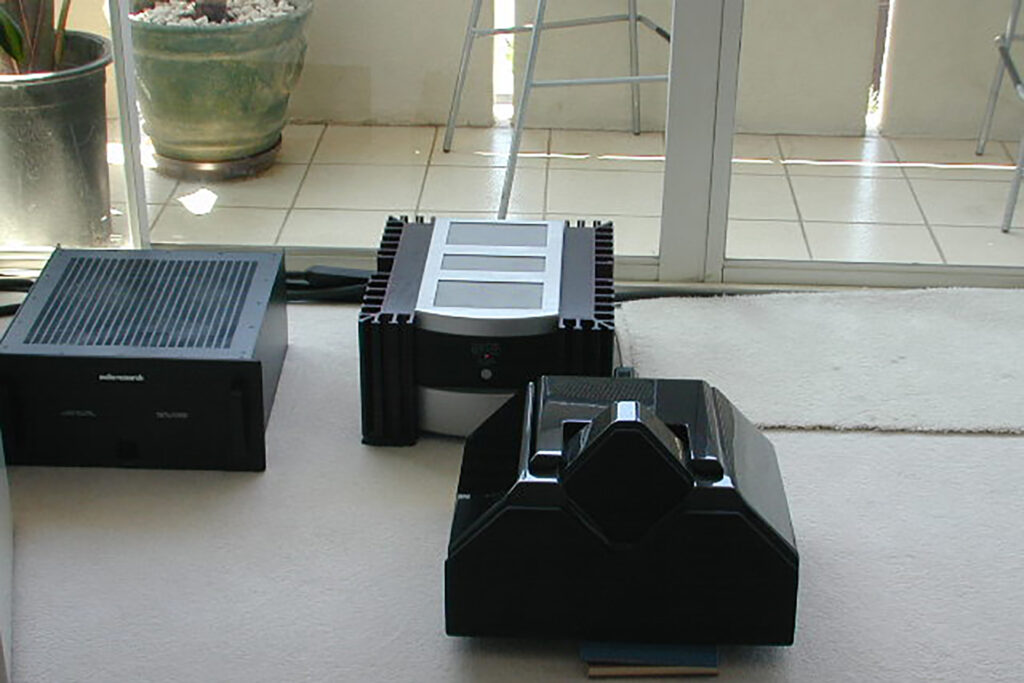
Well, actually, industry veteran and tube guru Trent Suggs got there first, but that is a whole other story. Audiophile companies, even blue-chip ones like Audio Research, can get stagnant over time. Engineers design and design and design, but often fail to market, thus making for a business that has a far better-looking level of goodwill on its balance sheet than any real-world sales. ARC was in that situation when Suggs, an industry veteran and friend of the publication, bet it all on owning one of the best electronics companies ever after other conglomerates had sullied the mission of ARC. Suggs did good work but went to the wrong bank and, when solvency became an issue at Silicon Valley Bank, he basically got his line called in and lost control of the company. It was beyond unfair, but welcome to the cutthroat world of finance.
Enter Valerio Cora from Canada. Coming from a multi-generational family working in the granite and stone business, Acora loves audio as much as any of our readers. He makes speakers out of exotic stone, which understandably have some of the most inert cabinets available at any price. They are also very exotic-looking and can likely survive a nuclear war. When ARC was being spun off after the SVB-inspired disaster, Acora swooped in with an amount of cash small enough that it would have been what one well-heeled audiophile might expect to pay for some exotic Swiss preamp – not an entire legendary audiophile company. There were a few of us who talked about stepping in and making a play for ARC (I bet could write some good reviews of my new preamps, people), but Acora got there first and has been running with this project for a few years now. It is no small endeavor.
At the recent Tampa Audiophile Show, I spoke with Acora and he told me about the meaningful challenges of having products that were often more than 10 years into their design cycle. Buying the company was one thing but redoing the entire product line was a whole other project. These are reference-level products needing topnotch designers, as well as manufacturing in Minnesota. This is expensive, work.
I wouldn’t bet against Acora, and we are all rooting for him but he is without question pushing the rock a little uphill in the audiophile world with Audio Research. ARC is simply not a marketing company and they are not (yet?) embracing the new technologies like Gallium Nitride (GaN) that could make them less expensive, thus more appealing to a new generation of audiophiles who will be decades away from being able to afford ARC-level gear. You can’t be everything to everybody. Acora has his long-term plan, which he’s trying to execute with patience, vision and responsibility. It ain’t easy.
The Story of Trying to Save THIEL Loudspeakers
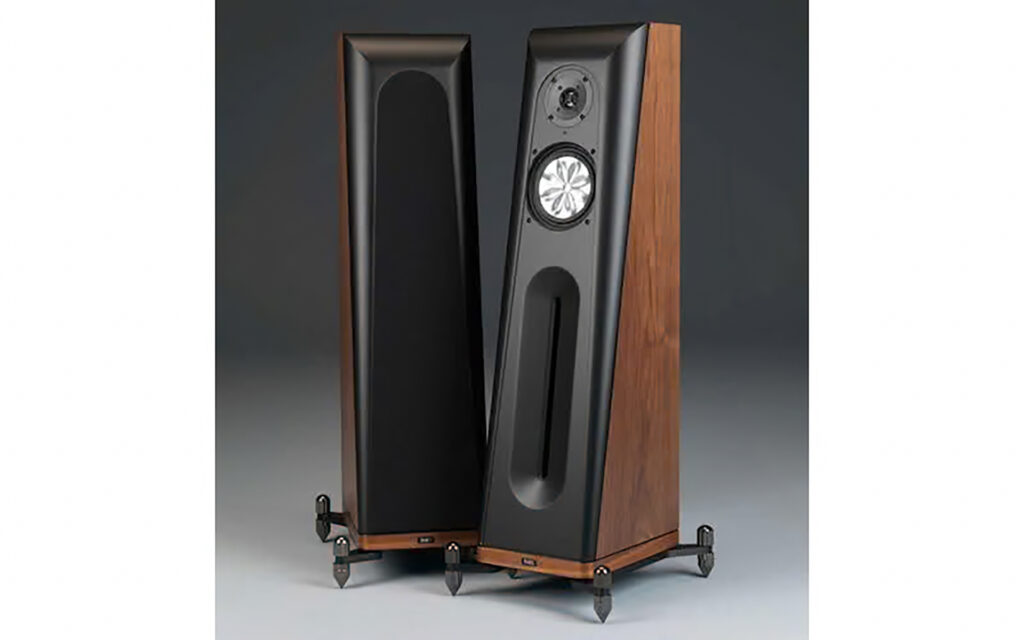
This is a project that was near and dear to my heart, in that I sold THIEL loudspeakers in their heyday in the early 1990s. Jim Thiel was one of a few people in the business who inspired me to never smoke a cigarette, as he was every bit a three-packs-a-day guy, as I learned CES Shows back in the mid-1990s. At Christopher Hansen Ltd. in Beverly Hills, we sold his biggest speakers to people like Stevie Ray Vaughan, Janet Jackson and (best of all) Andrew Dice Clay. The THIEL CS5 was one of the worst speakers in audiophile speaker history, if you ask this reviewer. Forget time alignment, these power pigs were simply impossible to drive. They had low impedance (two ohms, if I remember correctly) and at no price did we have amplifiers, be they from Mark Levinson, Bryston or anybody else that could drive such loudspeakers. Regardless of their size, they also had little to no real bass but were physically gigantic. I preferred to sell Wilson Audio speakers paired with subwoofers, but I did own THIEL speakers in college. Thiel was politically very right of center and his brother was the exact opposite. He lived in Vermont and picked the exotic woods for instrument companies, such as Martin Guitars. The wood finishes that he selected for his brother’s speakers were second to none – perhaps even to this day. My bird’s-eye maple THIEL CS1.5s couldn’t play loudly and has jack for bass, but they looked stunning for a $2,000 per pair speakers in the 1990s.
When Thiel died (remember the smoking comment above), the company struggled mightily, despite Thiel’s wife’s role on the CEA Audio Board and beyond. Eventually, an enthusiast from the Southeast who, like Val Acora, had fortunes from other businesses, bought the Kentucky company and tried to revive it into something special. To say that he failed is to insult other companies that fail less spectacularly. Over about five years, the new THIEL spent over $10,000,000 trying to be a viable high-end audio company again. For their efforts, they sold about three dozen pairs of speakers. Simply put, OG audiophiles wanted a THIEL speaker to be a Jim Thiel design. They didn’t care if Brent Butterworth or me or anybody loved what they were making (their designer was a far better speaker engineer than the founder), but it just didn’t matter. The customers didn’t want the product and the company was shuttered for good. THIEL Audio was simply not fixable.
Krell Could Have Made It
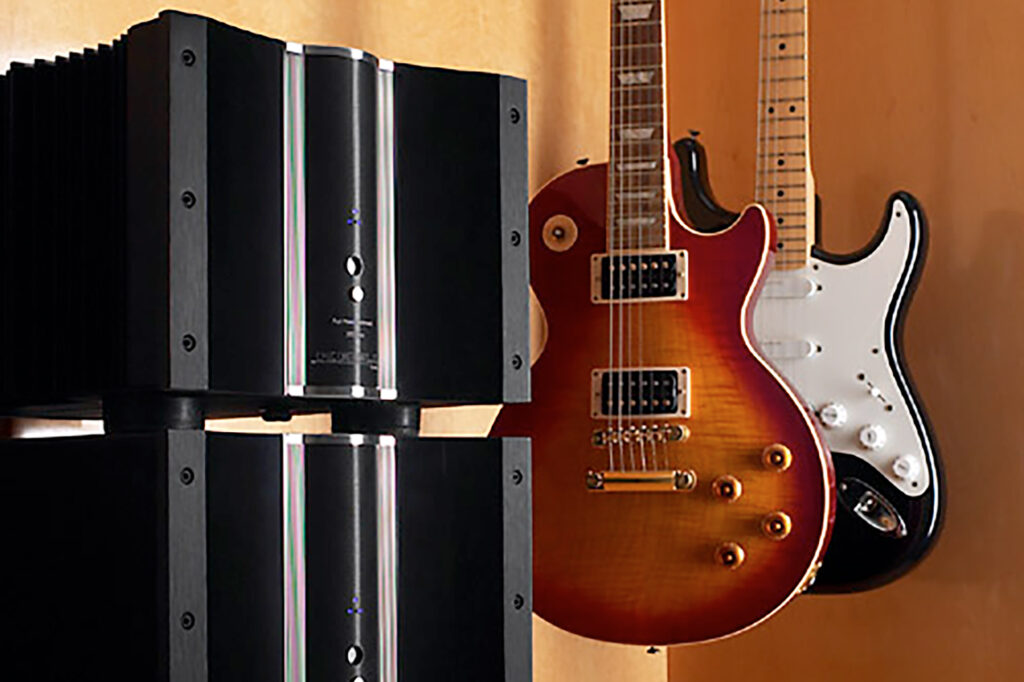
Dan D’Agosotino and his ex-wife Rondi were friends of mine when, at 29 years into owning and running the Connecticut-based audiophile electronics company Krell, they brought in an ex-Goldman Sachs finance guy to inject fresh capital to the project. A mere six months later, said Wall Street guy had exiled the company’s cult of personality and things went haywire. As we all know, this bump in the road for D’Agostino was only temporary, in that he took inspiration to launch his namesake company, having moved to Arizona with a renewed focus on very, very high-end steampunk-inspired uber-audiophile electronics. D’Agostino is happier and making more money than at most of the time he was at Krell.
I know the guy who helped bring in the president of Krell (he’s a real jackass publisher, just ask anybody) and Walter Schofield brought the savvy that he learned running Mark Levinson, Linn, and Meridian. He got rid of the evil investor and brought in better ones. He took the company from a family business and turned it into a modest business that paid the payroll and turned a respectable profit, which is no small feat. At one point down the road, investors wanted to buy Krell at many, many times more than Audio Research would ultimately sell for. D’Agostino’s ex-wife liked the idea until time came to sign on the line that is dotted, and she ran like a scared bride from the altar. The investor’s blood ran cold and, even a few weeks later when she wanted to put Humpty Dumpty back together again, it was too late. The weight of doing business in the modern world was too much and the company fell apart. With no succession plan in place and Rondi D’Agostino falling ill and dying, the company went into probate, where it is today. Can Krell be saved? Other than as a brand name, I doubt a legendary 40-year-old audiophile company like Krell will ever be relevant or even viable again.
Selling Direct is Likely Very Important to Any Modern Audiophile Company
Our friend Sandy Gross is the best speaker marketer in audio history (sorry, Dr. Bose), but it was more Gross’ ability to work his dealer relationships that made his three loudspeaker companies so very special. From the time that he got in his quite rectangular Volvo and drove around the country to see every dealer out there with Matthew Polk’s best work, until the day that he sold GoldenEar to AudioQuest, Gross knew how to make dealers feel like they wanted to support his high-performance and high-value brands. With all due respect, there is only one Sandy Gross, and it is highly likely that nobody will ever have the dealer mojo that he did, which makes selling products direct so important. If you study why Bose is so successful or, better yet, why SVS is such a success – marketing is key but multiple distribution channels are the real magic. In 2026, selling direct to the consumer is not crazy. In 1996 (or even 2006), it was. If a pair of $10,000 audiophile speakers cost $2,000 to be ready to sell “landed” here in the United States, being able to make $8,000 profit versus $3,000 profit in the same retail sale is a total game-changer, especially if you are selling audiophile components in relatively low volume, as nearly every audiophile company does. If you are trying to fix an audiophile company, the first thing you fix is where you sell your products. Selling them direct is by far the best way.
Some Final Thoughts About Fixing an Audiophile Company
We’ve proven that with enough passion, creativity and money that an audiophile company can be turned around, but it is in no way a lock. The amount of money needed to modernize an older company often can be simply prohibitive. The idea that it is 1977 and that you can somehow “engineer a better audiophile mousetrap,” as too many audio companies still believe today, is pure fantasy. If you can’t market your gear in the modern world to the next generation of customers, you have no hope of long-term future success. On top of that, if you can’t reinvent your distribution channels, it adds to the hopelessness. If you can’t provide strong value to the enthusiast audiophile, then the hill is even that much steeper.
Does anyone ever need to fix an audiophile company? Nope. If you are really crazy, you might consider starting a new one (I am on my third batch of online AV magazines, and I am crazy). We have a whole roster of audiophile manufacturer clients who are currently making it big with value-oriented products designed for the next generation of audiophiles. They provide very fair value and very high performance, and that value proposition never ever gets old.
How would you have taken on fixing one of these case study companies? Is one nuts for trying to take on an audiophile project like this? Let us know and we will post your comments below.




I met Gary at Axpona year before last. I was telling him I had a PC13 Ultra. This sub is so old Gary didn’t believe it lacked some of the features of the current model. I forget now what feature we were discussing. I tried to tell him I have one of the original PC13 Ultra and wrote a review of it on the SVS website way back. Maybe he didn’t realize how long that model had been in production. What makes the story so funny he never believed me and told me he would bet the feature is there. I wish I had thought to get an email I could have sent him a picture of the control panel. I purchased my unit long before he bought the company.
It was all in fun. It shows how long one of their products lasts. I use it only for home theater so it didn’t get daily use, still I certainly received my money’s worth.