
 By
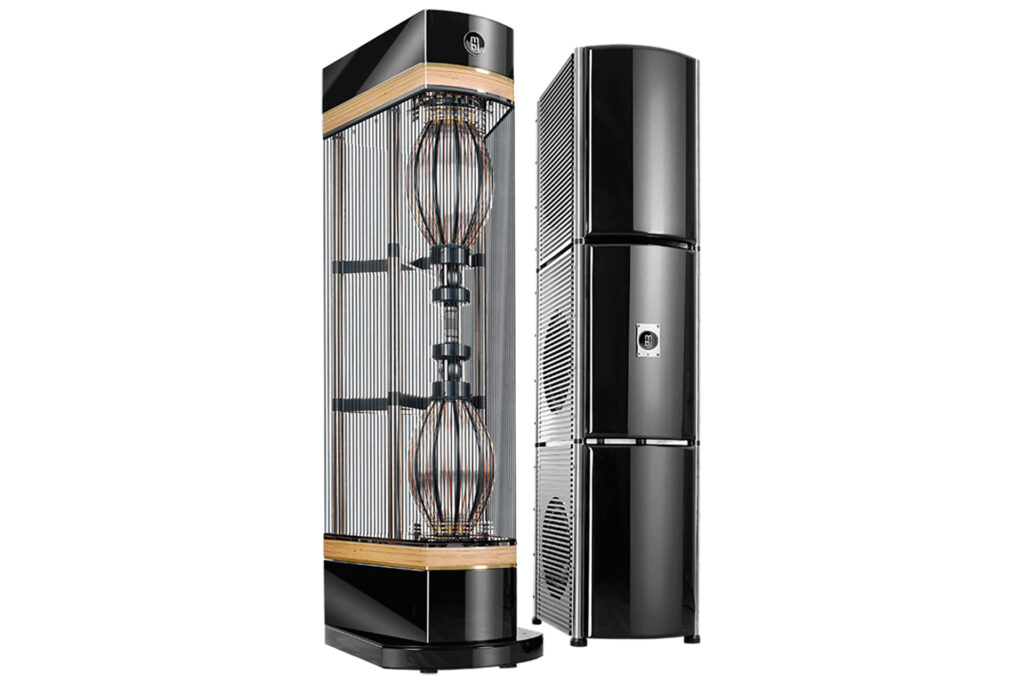
By In 1987, Arnie Nudell, Cary Christie, John Ulrick and Bill Watkins, the legendary designers of Infinity Systems, introduced the Infinity Reference Standard, or IRS, speaker system. This was by far the most ambitious speaker design of its day. And even by today’s standards, few speaker systems are as complicated and take up as much space as the Infinity IRS. Maybe the MBL 101 Extreme MKII or the Marten Coltrane Supreme Extreme come close, but there is not an abundance of very large, four-box speaker systems for two-channel audiophile use.
Not only were the IRS speakers tall and wide, they had two columns per channel. One column was for the midrange and high-frequency drivers. The second tower was for the bass drivers. Designed as a line array, the drivers were servo-controlled. So, in addition to the drivers themselves, all the internal electronics to make these speakers work greatly increased the total size and weight. In fact, all four towers were about seven feet tall and about 400 pounds or more each. This accounted for somewhere in the vicinity of nearly 1,800 pounds of speakers in one room. Because of the amazing performance of the IRS speaker system, as well as its popularity, quite a few were installed into venues far too small to adequately accommodate their robust size. Imagine the difficulty in manhandling something so large to an upstairs listening space. And then there’s the substantial weight …
Is Available Space the Critical Factor in Modern Audio System Selection?
All audiophiles must somehow deal with space in the real world. There are those who have a system in a small bedroom. Others house their system in the great room, or perhaps a family room where it doubles as both a home theater set-up and a two-channel audiophile system. Other systems are in a larger room, such as a bonus room above a garage. This describes my audio room. And there are those very few with a purpose-built, often free-standing audio structure designed to house the system, physical media and the empty component boxes. And boy, how I wish I had such a wonderful set-up myself!
Suffice to say all audiophiles are encumbered by space issues to some degree. How much actual space allotted to any one individual for audio pursuits may well govern the type of system considered. For instance, someone who has a system in a small bedroom, anything below, say, 12 feet by 12 feet, may have only a small integrated amp, a DAC with built-in streaming (if not contained in the integrated), maybe a turntable and phonostage, and a set of two-way bookshelf speakers.
My audio room, by contrast, is 32 feet long and 15 feet wide, with nine-foot-high ceilings and, when the dormers on each long wall are considered, the overall width extends to 22 feet. On the surface, it might seem like I have all the room in the world for an audio system. In reality, not so much. My audio rack in the front of the room is 64 inches long and I now also have two 50-inch-tall stacks of subwoofers near the front. I have always wanted a world-class set of monoblocks, but where would I put them? Beside the rack? Well, technically, I could. But then actually folding my old self up to get behind the rack (a necessary task as an equipment reviewer) to change out equipment and/or cables would be nearly impossible. So, instead, I have always used a dual-mono, fully-balanced stereo amplifier as a necessary variation. My T+A A3000HV (read the review) currently, and conveniently, sits on a Symposium Super Plus platform in front of my rack – easily allowing unfettered access to rear-mounted connections.
Room size does, to some extent, govern the type of system being used. Another factor is what else is in the room. My friend Mark has a very nice regulation-sized pool table in his bonus room upstairs. His audio system, a very nice one, is placed at one end of the room, far enough away to not encumber someone holding a pool cue. He has a large wall-mounted television at the other end of the room. Could a much better audiophile system set-up be possible utilizing the entire bonus room? Of course it could. But Mark and his wife enjoy having people over for dinner and, inevitably, everyone will filter upstairs to shoot pool, maybe while watching a ballgame (with the TV on mute) and playing a selection of enjoyable music. Is this consistent with the ultimate audiophile experience? Of course not. But as one who has enjoyed such gatherings on numerous occasions, some tunes, shooting a rack or two, the latest game, and talking with friends is a really fun, entertaining way to spend an evening. Sure sounds to me like this satisfies the basic goal of the audiophile hobby – to have fun.
Children Change the Audiophile Room Dynamic Big-Time
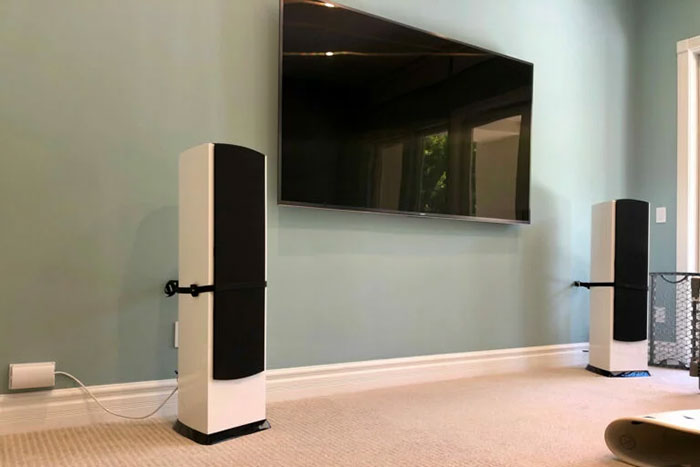
What happens when there are children in the family? I would be hard-pressed to ever believe any parent would refuse to put some toys and games in a bonus room for their kids because it would infringe on the placement of a huge set of monoblocks and a four stack of seven-foot-tall speakers. Children are vastly and incontrovertibly more important than a stereo system. And a bonus room should always, in all fairness, give way to the needs of children first. Audio rightfully comes second. FutureAudiophile.com publisher Jerry Del Colliano wrote about child-proofing his audiophile system when his youngest son was very little (read more here).
How Does Modern All-In-One Equipment Alter the Landscape?
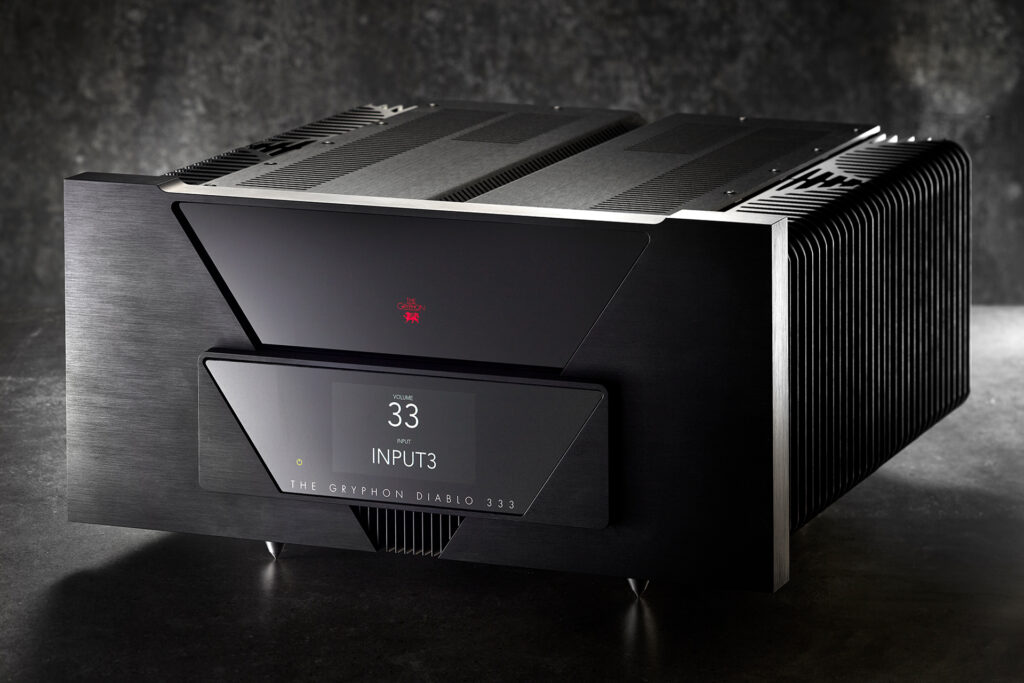
For certain factions of the audiophile hobby, things seem to be moving towards more system in fewer components and less space used. Call this whatever you will, an all-in-one system, an audiophile lifestyle product, or any other worthy description. Where all-separate components housed in massive audio racks once ruled the audiophile Earth, things are changing, and the acceptance of gear with a smaller overall footprint has suddenly gained wider recognition. And why not? Generally speaking, such gear is more affordable than ever.
Sonically, these smaller audiophile systems sound decidedly better when compared to their 20-year-old forebears. Consider Gallium Nitride (GaN) amplification. Five years ago, it was hardly a footnote in any available publication. Today, the acceptance of GaN is becoming far more mainstream and widely accepted. And why not, the amplifiers can pretty much fit in one hand, sound superb, are quite affordable, create essentially no heat and are not a substantial current draw.
Consider also a system using powered speakers. Audiophiles are really torn on this segment of the market. There are those who do not even remotely consider a system headlined by powered speakers as an audiophile endeavor. Not surprisingly, there are quite a few who feel just the opposite. For my own purposes, I once heard a set of ATC powered speakers at an audio show connected to a rather small streaming device. And you know what? It sounded wonderful. Consider also KEF speakers. One variant even has a wireless, amplified version of their immensely popular LS50. Pretty much all one needs is a streaming device. Even a smartphone will suffice. Do I want such a system myself? Absolutely not. Such pursuits do not conform with my puritanical views on how an audiophile system should be assembled. Well, at least how I myself should assemble a system.
Of course, with all that said, it doesn’t dismiss the Sonos system I have downstairs with the four Sonos Play One speakers (buy at Crutchfield). I have taken such pains to hide these speakers from view to the greatest extent possible. When friends come over, I turn on the Sonos and music fills the downstairs from speakers no one can really see. I take great pride in having this set-up downstairs, yet I am also resolute in my decision that my audio room will always, and exclusively, only be one thing – a room to house a two-channel audiophile system. No TVs, no artwork, and as little glass and furniture as possible. I have the luxury of being able to make such a decision. And I truly consider myself fortunate to have such a luxury. Others are forced to play the hand that the place where they live, and who lives with them, has dealt. I have also never once met anyone who was enraged because their children, and their toys, alongside their family, were taking up space they would rather be using for an audio system. And honestly, I hope to never meet such a person.
Final Thoughts on Audiophile Gear Too Large For the Space
My best advice to you is to play the hand you are dealt. This proverb, at least as it applies to where to house a stereo system, may be seen as mostly innocuous to some, and a veritable threat to others. Ours is a hobby born with disposable income and made to work within the confines of the home. Very few audiophiles buy a house singularly because of an audiophile system. However, there will be those, like myself, who place an increased level of importance on their system. I jokingly tell people, “I bought a room and a house came with it.” But my interests do not reflect the average person. Most people, especially as we get older, buy a home because space is needed for a family. When we are young, we may be looking to start a family and having room for an audio system is little more than an adjunct to the overall home-buying needs.
It seems therefore obvious we all should treat the audiophile hobby like an actual hobby. As audiophiles, we have the possibility of having a small, rather inexpensive compact system that also sounds perfectly enjoyable. Conversely, we have the ability to assemble a room full of gear costing hundreds of thousands of dollars, if not seven-figure sums. Best of all, each one may be equally enjoyed.
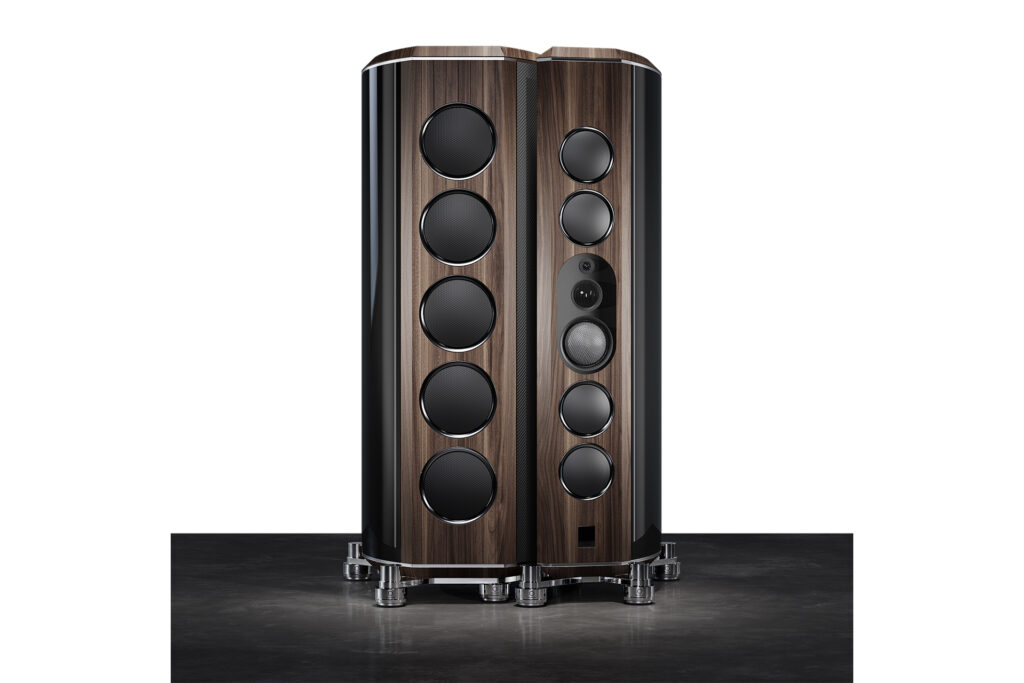
How we treat the hobby, and how we assemble an audio system, is not a cut-and-dried scientific experiment. Our collective needs are wide and variable. So, if the room where you plan to house your audio system does not support nearly 2,000 pounds of speakers, three-foot-long 500-pound monoblocks, and enough ancillary gear to fill up one end of a very large room, don’t worry, most of us can’t do so either. Enjoyment of an audiophile system is best served by meeting the needs of everyone who will be enjoying the sonics produced. If your system is budget-oriented, has a smallish footprint, and is housed in a small bedroom, but everyone still enjoys the music they hear, then consider the battle won. If, however, you have an enormous audio room and a large system taking up significant space, then consider yourself fortunate and enjoy the music. The best system to have is the one you most enjoy and that makes you happy. Fulfilling this need makes things exactly what the hobby is supposed to be about – having fun.




Like many here my first system was a 1970s stacked rack of one or another Japanese mid-fi systems (including that day-glo 10 band equalizer!) pushed in against a short wall in the front room of a 2 bedroom apartment, and the matching 2 way bookshelf speakers that came with it, tucked against the rack. The lamp wire barely noticeable.
Two marriages later it’s the 80s and a 36” RCA home theater with a 3.1 ProLogic audio. The turntable is now in the garage, usurped by cassettes, with CDs not far away. I’m only buying VHS movies now, and in 5 years it’s DVDs, hundreds of them, to feed a 65” Panasonic Vierra plasma tv hung center wall on one end of the “bonus” room of a small 3 bedroom track home.
This system will be in place almost 15 years before the COVID pandemic forces me to clean out the garage,(what else?), and lo’ and behold, there, reflecting in the beams of light from the splinted garage door, is the turntable. Ten feet from it are two duc-taped boxes of records from the 1970s.
Fast forward to today, the wall space is now commandeered by a 77” Oled with 7.2 surround. However, underneath it, is a credenza with a VPI Aries, a PrimaLuna tube preamp, and along its sides, two Manley 350 tube monoblocks and two 80 pound Legacy Focus speakers. There’s a lot of gear in-between all that, but you get the picture.
All of this takes up the front wall of a 25 x 40 great room with a 9 foot ceiling a full kitchen on the other end of that same small home, remolded. The floor is maple wood but had a thick area rug in front of the system. A very large and plush sectional couch to dampen the room separates the system and the kitchen. There are no other room treatments yet, but the room at it’s quietest is 28db. The sound is phenomenal, to me.
And the family is ok with all
of this. We all love the movies and music. And when I’m alone it’s 100 MUSIC, and it’s transcendent. This is the greatest hobby in the world. Thanks for your article, and your good stewardship in audiophilia.
Why Phil, yours is such a welcomed comment! And I feel sure a path many of us have taken. I thank you for your response and especially the kind words at the closing!
Best and Happy Listening,
Paul
Phil, what a great comment! I have to guess your history in the hobby is like a lot of us!
Thanks for the kind words also.
Paul
The speakers aren’t too big the room is too small (old audiophile joke). Nice article.
MJ, that certainly fits my room!
Thanks!
Paul
There is a lot of great sounding gear at every size range and to fit most every budget.
I love music and want it to sound as much as possible as if I am right there. With a fairly large living/dining room, I have large speakers, Tekton Pendragons, and they certainly do the trick. This room is about 40′ long and 18′ across. As much as I would like something smaller, I am just not comfortable with the idea smaller speakers would work here, even with a sub. Feel free to debunk my prejudice.
I think you are all good my man and Pendragoms aren’t that big. Eric makes MUCH BIGGER 🙂
Yes. Their footprint is no bigger than the stands most bookshelf speakers take. They are eleven years old and had no upgrades, but when they are playing Miles Davis or Dave Brubeck, they are still right there in the room. I cannot imagine his 1812 Model V12 or even Ulfbehrts. .