
 By
By A few weeks ago, I took a Sunday trip to the Santa Barbara area with a new woman that I have been dating. Tall, brunette and Australian – respectfully, I could listen to her talk about anything and be entertained far better than any radio or streaming service.
To start our day together, we went for a stylish little lunch in the village of Montecito, which is just south of Santa Barbara. After eating and before attending a polo match (how Pretty Woman is that?), we walked around the beyond-tony shops looking for unique finds. The store that most caught my attention was a nicely-curated kids’ store that had some pretty cool-looking scooters and helmets parked out front. Upon entering the retail location, it was obvious to see that the stuff in the store was really nicely merchandized. What I mean by that is that someone clearly took the time to pick out the really good stuff to sell to the well-heeled residents of Montecito for their kids. The helmets for the kids’ scooters were nicer than you’d get from, say, Amazon or Target. The scooters were also a unique brand that just looked a little bit slicker/cooler/more fun. The store had copious amounts of wrapping paper and a strong willingness to make you look good in the event that you were going to some rich kid birthday party sometime soon. I found a really fantastic (but a little bit more mainstream) book called Robot Sauce (buy at Amazon) from a known author that I got for my four-year-old. He just loved the book and has asked for it to be read to him many times since I gave it to him.
The retail experience at this local, one-off boutique stuck with me weeks after returning back to Los Angeles, with many resonances applicable to the audiophile world.
Are Blue-Chip Audiophile Brands Worth Selling?
For 25-plus years of audio-video publishing, I have always promoted buying gear from the best, most reputable, most well-distributed blue-chip brands. A Mercedes over Genesis-type value proposition. The idea is that any audiophile can spend a lot of money on gear, be it on A-list, B-list or even C-list gear, as they all tend to be spendy, but the A-list stuff tends to hold its value better. This strategy has served both me and our readers well, but I am starting to look at things differently today.
We live in inflationary times these days, and the cost of audio gear goes up seemingly faster than anything other than my homeowner’s insurance. It is not uncommon to see audiophile products go up 10, 15 or 20-plus percent per year in retail price without any meaningful change in performance. There are all sorts of justifications, such as availability of chips, absurd tariffs (aka: sales taxes), labor costs, and much more. Not to dismiss the realities of these factors, but there comes a time when one just doesn’t see the value anymore. That has happened a lot recently in the audiophile space, meaning that expensive gear just got more expensive for no meaningful reason, and you are expected to carry the burden of the extra costs. This gets frustrating and tiresome after a while.
Often the blue-chip brands, the ones that are the most likely to increase their retail price also sell the best on the used market, have the best dealers, nearly always offer excellent support and more. For a generation, spending a little bit more to get that pair of, say, Wilson Audio speakers over a far more obscure (but equally expensive and also very high-performance) option was a no-brainer. Today, I am reconsidering matters, as the inflationary pressures never seem to stop.
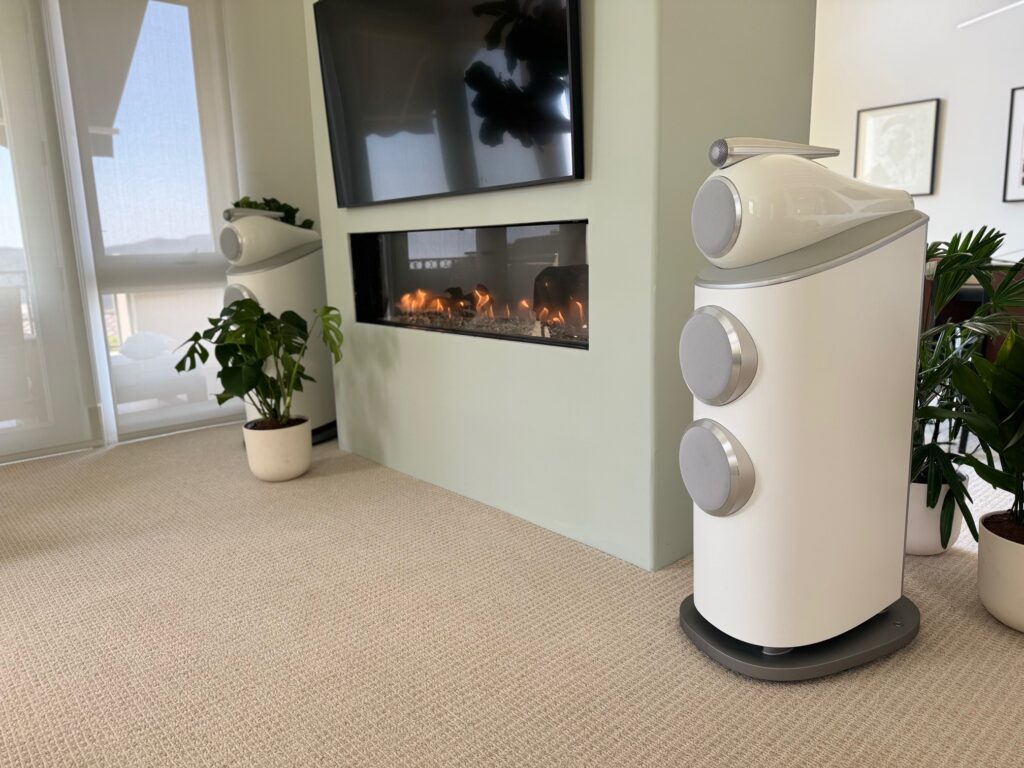
Bowers & Wilkins’ Price Increase: Live from HIFI Vienna
Let’s not talk about why I didn’t get to the HIFI Vienna show this year, but it is fair to say that I am pretty pissed off about it (hint: never fly Virgin Atlantic). One of the things that I missed at the show was the launch of Bowers & Wilkins 800 Series (D5). These speakers look pretty much exactly like my reference Bowers & Wilkins 802 D4s (read the review) and come with some performance improvements, which are always welcome but often foreshadowed by Bowers & Wilkins with their Signature Series offerings that precede a new 800 Series line of speakers.
What was shocking from the now Samsung-owned Bowers & Wilkins was the new 800 Series price increases. My 802 D4s were $31,000 retail. The new version of the 802 reportedly will cost $45,000 per pair, which is over 30 percent more expensive for a new revision to an already killer audiophile floorstanding speaker. While I didn’t get to hear the new 802 speakers, I have to question their overall role as a high-end value at their new price. There are lots of great floorstanding speakers that we can buy at $20,000 to $30,000 but, when the price is closer to $50,000, we are getting much closer to where the air is rare. Let’s put it this way: the retail price of my first car (a 1992 VW GTI) and the down payment on my super-rock-and-roll condo perched above The Sunset Strip (why did I ever sell that?) was less than a pair of 802s cost today. Ouch.
Will nobody buy these newly-upgraded D5 versions of legendary speakers? Of course people will, and for good reason. Will audiophiles, who know the value of a component like the back of their hand, have reason to pause? Many will. So will dealers, who have to spend more to floor these new speakers at their store for display. That is a major factor in why a store has more or less of a brand on display. Can you imagine how much it will cost Magnolia to restock their stores with new Bowers & Wilkins 800 Series speakers? With that said, some audiophiles might be getting a steal on the D4 stock as it is sold off for the new inventory.

Value is Always a Big Factor for Audiophiles
Slightly lesser-known audiophile brands often have to offer a better value to woo clients than more blue-chip brands do. The blue-chip brands get the high-profile reviews. The blue-chip brands run lots of ads in the best publications. The blue-chip brands have the best distribution, and lots of people in the marketplace dreaming of owning said products. The smaller brands simply don’t (or, more realistically – can’t). The smaller or slightly lesser-known audiophile brands have to be more creative. They offer more profit margins to the dealers. They offer better terms for flooring their components. They sometimes will do crazy things with trade-ins that other brands would never consider. They need to work with smaller and more creative PR agencies. These not-quite-blue-chip brands are often much hungrier, which isn’t always a bad thing.
Most audiophiles need to get good value from their ongoing upgrades. This is the same for younger audiophiles just getting into the hobby, as well as those who are far more advanced in their audiophile habit. The fact is that value remains important and often better value is found with the non-A-list brands.
What Do Audiophile Retailers Think About Promoting Less-Than-Blue-Chip Brands?
Audiophile retailers love products with big profit margins first and foremost. That is just a fact. One retailer in the Southeast told me recently that it takes just as much effort to sell a B-list brand as it does a very well-known A-list one. If that is the case and you make, say, $5,000 more profit on a deal – it is easy to see why they would love the non-blue-chip brands.
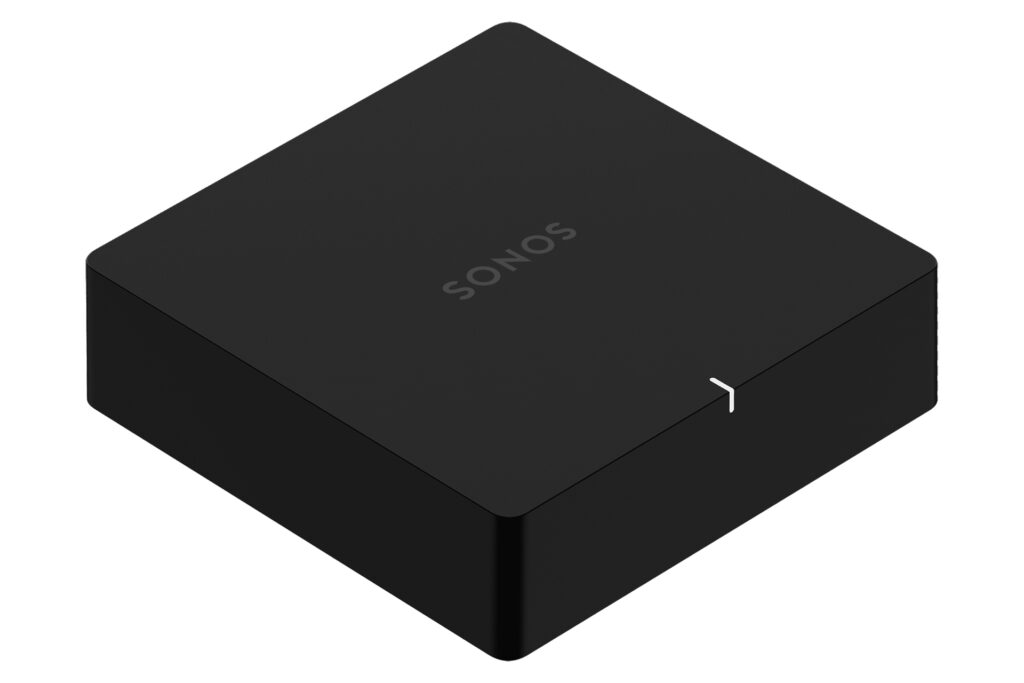
Smaller, more boutique brands are also easier to open for dealers. In the modern audiophile world, there are only so many retailers that sell audiophile products, and there are plenty of companies that sell gear. If the blue-chip gear is simply an “order” with people literally walking in the door asking for it (think Sub-Zero/Wolf from the kitchen appliance arena), then that doesn’t require sales as much as simply collecting the client’s money. Respectfully, the audiophile world loves to sell products and tell the unique stories that are part of the DNA of the hobby. Bose and Sonos sell without much effort, but how many serious audiophile stores sell those brands? Not too many, right?

Final Thoughts on Selling Blue Chip Audiophile Products …
The concept of buying the best possible gear is at the core of our hobby. And the best brands often make the best gear. The best brands’ products retain value nicely too. There’s lots of upside here, and this is, by far, the road more traveled for audiophiles young and old. Nobody can ever fault you for buying rock-solid audiophile products from the best, most well-established companies.
For those with a little bit more willingness to step just a little outside of the box – there is a whole new world of audiophile performance and value to potentially be found. Is this easy? Not really, nor is it risk-free, but there is upside. Dealers all have their favorite lines and love to do really well with them, so you never know what levels they will go to in order to sell you something from that most-favored audiophile brand.
Is there a standard where an audiophile goes too far in buying obscure brands? Absolutely, yes. Unless you are investing in some disposable product (think: low-cost Chi-Fi gear), ask yourself if you’ve seen reviews of this product. Have you seen this company buying ads anywhere? Do enthusiasts talk about this product online, say, in the forums? If there are a lot of “nos” here, this likely might be too risky a product on which to invest your hard-earned audiophile dollars, as you could easily get burned, and that can really set your system back.
Trust your instincts when it comes to investing in more audiophile gear. You know how much risk you are willing to take and still be inside your comfort zone. You know if you are willing to invest in a slightly lesser-brand product to get a slightly better value (and sound?) for your audiophile dollar. In the end, nobody knows better than you what gear is best for your system. Listen to your inner dialog, make the best move for you and your audiophile system, and never look back. You got this!
Tell us about your tolerance for buying A-list vs. B-list audiophile gear. When will you do it? How and where do you do it? How do you look at blue-chip audiophile products vs. more up-and-coming brands? We love to hear from you in our moderated comments below.
Resource: Learn how to get better support from your audiophile system here.



