
 By
By In business school, we learn that recessions are a normal and healthy part of any ongoing economy. Recessions allow for prices to reset, businesses to retool, and then set the table for future growth or die-off to allow for new growth, innovation and change. The typical period of time between recessions in the United States economy is about six to 10 years, according to the National Bureau of Economic Research (NBER). The average length of a recession is generally about a year, and that year can be pretty painful as GDP (Gross Domestic Product) likely shrinks and economic growth is stunted for at least two quarters in order to meet the stereotypical economic recession.
It has been a long time (18 years and counting) since we’ve had a formal recession in the United States, which is by far the world’s largest economy. We had two months of free fallin’ (as Tom Petty would have called it) in 2020 with COVID, but the economy shifted from experiences to consumables and boomed before anyone could reasonably declare an official recession. The 2008 mortgage recession was an ugly one, but is going on close to 20 years ago. The dotcom bust of the early 2000s came after giddy times, trading newly minted stocks with nonsensical valuations as the Internet (and information in general) became the driving force in our economy. Few that read the business section (or at least used to when newspapers were still a thing) will argue that it has been a lot longer than normal since our last recession. Many feel that we are overdue for a correction as the indicators are showing signs to those not blinded by shiny new things like advances in crypto and the meteoritic rise in popularity of AI.
The Audiophile Boom During COVID
The worldwide economy changed in a matter of weeks in 2020, as COVID became a very real global problem. Seemingly overnight, many consumable items (concerts, sporting events, etc.) were no longer very important to most consumers. A new lease on a car no longer seemed as relevant when working from home became more mainstream and everyone was social distancing to keep from ending up on a respirator. Commercial real estate has never been the same, thanks to the work at home concept, even with some companies demanding a return to the office years later. But COVID didn’t spark a formal recession, because the money that people had to spend (some of it was government money), paired with a booming, often virtual, job market made for a robust yet different (non-recessionary) economy.
People didn’t stop consuming during COVID as much as they just changed what they spent their money on. Vacations, especially air travel, were out, whereas more durable goods that are consumed at home were in. This is where the audiophile business really benefited. Vinyl’s resurgence was powered by Baby Boomer nostalgia, as well as Millennial enthusiasm for the kitsch of an LP. Because of this, $30 records became a norm and turntables became a hot item at the time and remain so to this day. Audiophile equipment sold well, too, in that there was plenty of time to spend at home with your family as opposed to out in the world with people potentially carrying a highly contagious respiratory virus that, even with awful masks, was pretty easy to catch.
The boom that came to the audiophile market was a bit of a false flag, in that money that would have never been allocated to audio without home lockdown started pouring in. To compound that, the people who were buying audio in this period were not as much a whole new crop of record-loving Millennials or Gen Zs – they were older Baby Boomers flush with money and inspired by nostalgia, and off to the races we went.

What Will the Audiophile Business Do When the Next Recession Hits?
Without question, there will be another recession. The question is when it will hit. Before the 2008 mortgage-backed security recession, we had the dotcom bust in the very early 2000s. Today, with the markets rocking all-time highs and powered by the AI boom, fluffy/aspirational stocks like SpaceX,as well as a hard-to-explain crypto market, a correction seems plausible at some relatively close point.
Inflation has been an issue for years and, no matter what the folks in Washington D.C. tell you, politicians can’t fix inflation. Anybody who buys gasoline or groceries can tell you how expensive things have gotten in the modern era, but what is also expensive are interest rates – at least compared to rates that many locked in for their mortgages over many of the past 10 years. Even with Wall Street still setting records, the cost of living for folks whose income is below the One Percent (about $400,000 per year HHI or household income) are feeling the pinch. Insurance is expensive, with no signs of retreat. Food is expensive. Education is expensive. Fuel is expensive. Basically, everything is expensive today, yet incomes try to keep up. Is that sustainable in a recession when hundreds of thousands of people often lose their employment? Likely not.
Audiophile components have gotten more and more expensive in this period of economic boom, too. Very expensive. Rare earth elements like neodymium are a key factor. President Trump’s tariffs (aka: a sales tax on the U.S. consumer) are another key factor that is rarely discussed anymore, but many tariffs are still in place that increase the cost of audio components made outside of the United States. Labor is another big factor, as even in places like China and Vietnam, where mainstream audio and video components are made, it simply costs more for people to make chips, boards, cabinets or even to assemble finished products. Fuel costs are another major factor in the audiophile world, as the cost of a container of goods (that’s how things are shipped from overseas) is many times more today than it was 10 or 15 years ago. Simply put: audiophile gear, be it Chi-Fi or Swiss-made gear, is just plain expensive.

How Will the Audiophile Industry Adapt When the Next Recession Hits?
One place that will see major changes is typical audiophile retail. The cost of doing business in a traditional audio salon or stereo store likely cannot readjust fast enough to avoid more major audiophile retailer attrition. Demographics are forcing the closing of well-established stores all over North America, and a recession will only speed this effect up.
Audiophile components are luxury goods products and rarely do they go down in price, but easily go up in boom times like today. Would audiophile companies adjust their prices lower to become more relevant in the market? Would they offer more profit margin to dealers to allow them to stay more price-relevant? They never spend more on marketing (take it from me, as I make my living selling said product as an audiophile publisher), but they should do so in down times. Realistically, products will likely stagnate with incomes not able to match the increasingly high prices.
Used audiophile gear could become even more of a value play, in that audiophile components have a long lifespan and technology doesn’t change so fast that last year’s models of speakers aren’t still pretty fantastic. If the retail price is 30 percent less to start and discounted because it is no longer new – then new value presents itself. In the case of audiophile manufacturers, used gear sales are not the profit centers that you would see in, say, the automotive industry, which controls the premium used inventory and sells it on their lots. The audiophile industry doesn’t have such channel control over the sale of used gear, which is moved more effectively in places like Audiogon.com, USAudioMart.com, eBay.com and elsewhere.
What Positive Opportunities Present to Audiophile Companies in a Recession?
Recessions aren’t all bad, but they are almost always painful. Recessions are actually a chance for smart companies (and consumers, for that matter) to take market share and build. Ads are way less expensive, and marketing real estate is available in ways not easily had in more toney times. Those with the money who can spend get more for their dollar in down times than in bull markets. Consumers who are sitting on a little cash and manageable overhead are able to find new values that don’t always present in booming economies. The audiophile who is a little over-extended might decide to sell some juicy element of his or her audiophile system and, without as many buyers in the market, there could be some really good options for an audiophile looking for big value who is flush with a little cash in a tight economy.
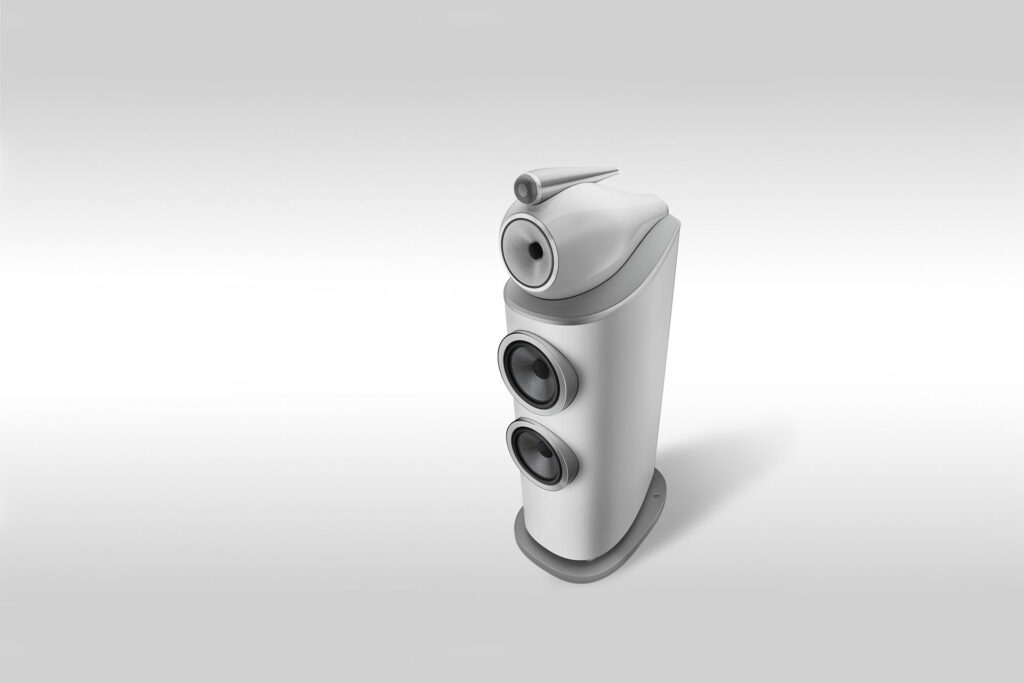
Retailers often panic in recessions, as there are so many costs that rarely get lip service. Selling off inventory from the floor can free up operating costs and present an opportunity for consumers and retailers alike. What can you pay for a pair of $31,000 Bowers & Wilkins 802 D4s (my reference speaker – read the review) at a Magnolia store today if they are ready to slap leather? The new retail price is $45,000 a pair, but how much has the fifth generation changed? Enough to justify a 31 percent price increase? That is the consumer’s call, but Best Buy/Magnolia needs to sell off their inventory and repopulate (or not) accordingly. They are famous for just blowing out demo audiophile products at below-cost prices – why not ask, if you are looking for a great value?
Sticking with the theme of retailers, something that would be smart but is seemingly unlikely would be a return to the regional AV retailer chain. Tweeter was a Boston-based chain that used Wall Street money to buy up many of the best other regional retail chains and then ran the whole national chain down the toilet. The terrestrial radio industry did the same thing. How about a return to regional chains and the economies of scale that they offer? One of the best is Audio Advice, based in North Carolina. They just bought out one of the best South Florida dealers, Sound Components in Coral Gables, to expand their regional reach. Colorado-based Listen Up has made similar moves but, respectfully, there is only one regional or national chain with true power, and that’s Magnolia. With lower rents, labor and hopefully cheap money to borrow at some point, why not eat up some of the best stores into a more powerful chain? How about expanding retail reach with simple, new organic growth? With a super-cheap commercial sublease and a really nice “build out” included in the rent payment – down economic times can be a great time to stake new claims that lead to big (and more sustainable) profits in years to come.
Simply put: recessions suck, but they also offer buy-now opportunities that are for smart investors and visionaries who can see past the pressure to produce in the next quarter.

Final Thoughts on the Audiophile Business in Recessionary Times …
Is it possible that the American economy can avoid a recession for another decade or so? I would have said no at COVID, so let’s not make that mistake again. It is possible. Is it likely? It doesn’t feel like it. AI is hyped up like the Internet, and the Internet has been great long-term. AI will likely be even more impactful going forward, but could these greedy gains come with a big bust? You bet, and that alone can change our hobby overnight.
In Vegas, the question “Does cash play” gets asked often. Yes, it does! For audiophiles, perhaps getting into a more cash-strong position for our audiophile systems is a smart move? Keeping a few grand just sitting there in liquid form for just the right moment. I remember being in a tight spot and looking to sell a $40,000 Andy Warhol print that I owned at the time. The best that I could get for it was $8,000. Ouch. If you were on the $8,000 side of that transaction – you would gladly peel off the hundos to hang such a cool signed and estate-stamped work by an iconic 20th-century master. The audiophile world will likely offer the same opportunities for both new and used audiophile gear for those with the cash in times when cash is hard to come by.
The audiophile hobby struggles with change, but change is simply inevitable. The demographic change within the audiophile hobby is real and happening right now. Could a recession be the event that kicks off the next version of the audiophile hobby as a business? Perhaps there are less retailers and more online or direct sales? A return to real audiophile value over beyond-expensive exotica could be a welcomed change? Perhaps a few more companies will invest their engineering dollars into gear that is less than $10,000 to $100,000 per item? That could be a little more relevant and popular. Seriously, do we need another company making a $50,000 DAC or $250,000 speakers? No, we don’t.
Long-term, the audiophile hobby will make it through its next economic challenges, but things will be different moving forward. The bigger issue, beyond somewhat predictable economic cycles, are the demographic issues. We aim to reach younger and more diverse audiophiles on the pages of this site. Is it easy? No, it is not as we have learned (and no, we are not giving up, as we are just getting started). Is it important? There is no more important topic for the future success of the audiophile hobby than finding more future audiophiles, be it in an up or down economy.
What are your predictions on the economy and how it will affect the audiophile world? Are you looking to buy now? Are you ready with some cash in the event that a special buying opportunity becomes available?




You made some good points. As you mention main street America is struggling right now. I don’t see that changing in the near future. In today’s economy it is difficult to even justify spending on audio or other nonessentials even on a good deal.
I have to wonder what manufacturers are thinking. One American speaker company introduced a new entry model a few years back and in that short time the price went from $10k a pair to over $20k a pair, same with next model up, now $10k more. A well established brand introduced some separates around $10k each, you’d think to compete however they were under performing at that in my opinion. On the other hand at reasonable prices Teac is offering some over achievers in my opinion. I know materials have gone up I just can’t believe a $10k price increase in such a short time is justified. It may just be me even if I had the money I couldn’t buy a set of speakers at $20k I knew were only $10k a couple years ago. They were not alone it seems a couple years ago pretty much all brands took an increase to some extent.
Audio Advice purchased a store in my area not so long ago as well. I wish them well and would love to see B&M make a comeback. I feel audio enthusiasts miss that type of shopping experience. Realistically even with option to return you can’t get the same experience online.