
 By
By There were two concepts that many in the industry thought would be the ultimate draw for new audiophiles. The first was unlimited access to all the recorded music that we know of. The second was the proliferation of really good, truly affordable audiophile components, as we see with CHI-FI. Both have happened, but neither have delivered the true influx of new audiophiles that we all seek for the future health and growth of our industry and hobby.
The rebirth of vinyl is a well-documented phenomenon that appeals to younger audiophiles. Their all-digital lives leave them looking for something with a little bit less blue light coming off a screen and/or a pastime that isn’t so digital. Younger audiences value authenticity very highly, and vinyl is the original release format for so many of the best recordings ever made. However, even with the resurgence of vinyl in popular culture, there hasn’t been the same draw for the associated audiophile equipment to go along with a record player and a burgeoning record collection. A 2023 study shows that nearly 50 percent of people who buy vinyl today don’t even have a turntable to play said LPs on.
So if unlimited streaming, CHI-FI and the rebirth of vinyl are not luring in enough new audiophiles, then what might be a better solution? How about exposing a music loving young person to a concert?
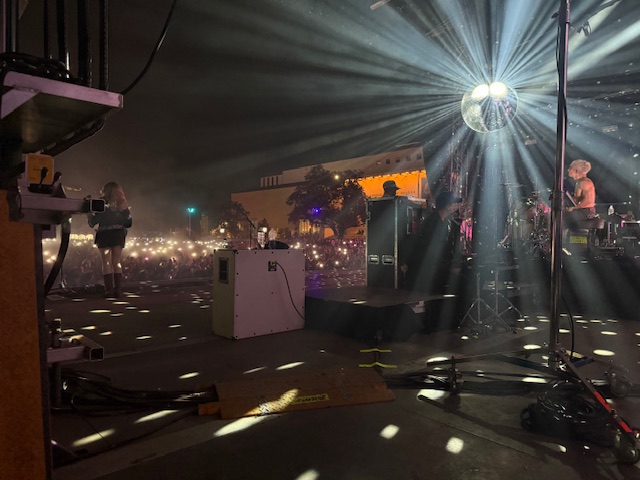
Taking My 13-Year-Old and His Buddy to See Turnstile Live
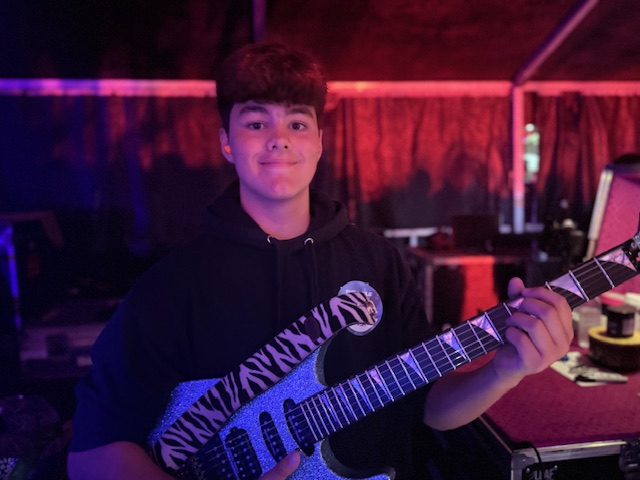
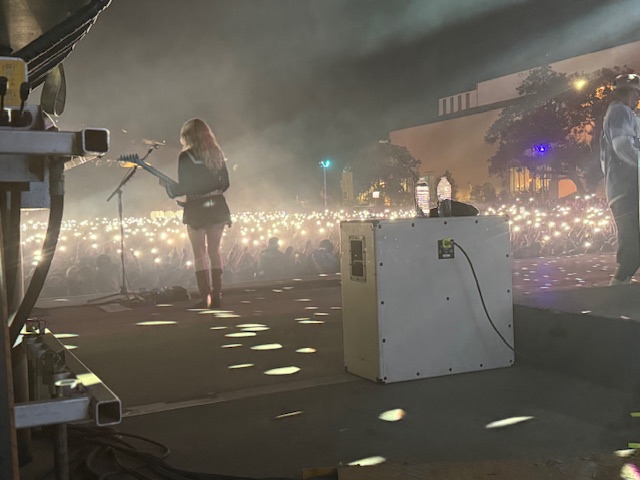
My son Vincenzo has it pretty good. Yes, he’s had to deal with the horrendous after-effects of the Palisades Fire that has him going to school 65 miles away in Orange County. He’s grown up in a world with screwy remote learning because of COVID but, on the upside, he’s gotten to do some pretty cool stuff for a young teenager. His first airplane trip was on Virgin First Class. His second flight was on a private jet from Los Angeles to Monterey, where he first got to see Pebble Beach. At 13, and with special thanks to Uncle Johnny (who is the head guitar tech) he and his eighth-grade buddy got to see skate-metal band Turnstile here in Los Angeles. The trick was that he got to go backstage to do it. While 13,000 people were moshing their asses off in the area between the Los Angeles Memorial Coliseum, the California Science Center, the new BMO soccer stadium and the stunning new reportedly $4,000,000 science-fiction (George) Lucas Museum of Narrative Art, these boys were treated to one hell of a VIP rock and roll experience.
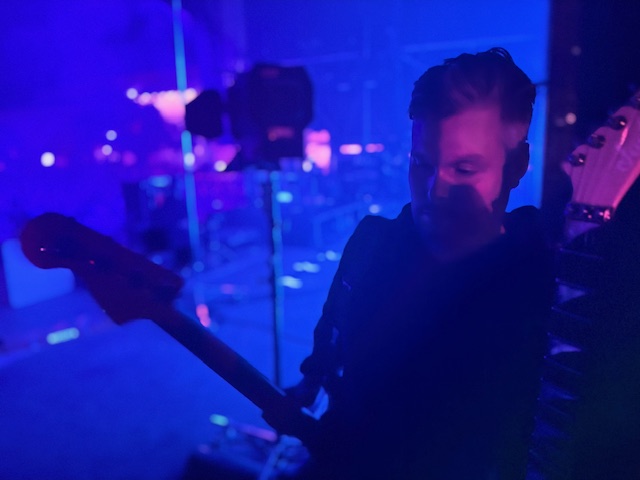
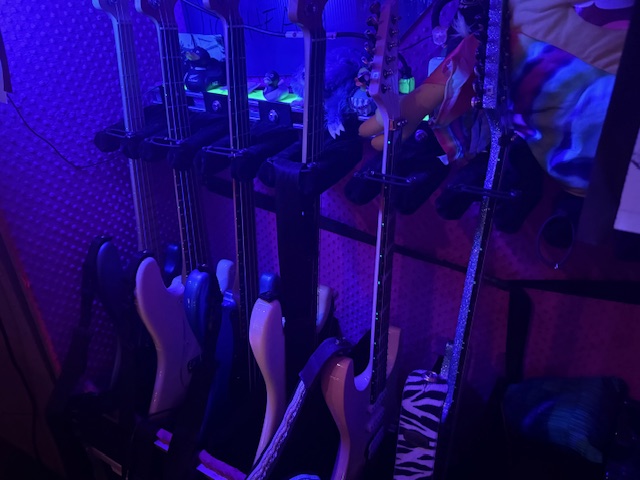
Getting to the event was tricky, as was getting to the right place to gain access to backstage, but after more walking than was likely necessary, we found the right entrance and were escorted to the backstage area. Uncle Johnny was the consummate host. He is on full salary with Turnstile, as he is wholly in charge of keeping three guitarists (one bass, two guitars) tuned and sounding good. He travels the world with the band and has been with them since the early days. Turnstile is becoming more and more popular, as they were on a tour last year supporting Blink-182. This year they are selling out shows as a headline act, with well over 10,000 attendees. Last year, Turnstile got three Grammy noms, but sadly didn’t win. Their new album got five nominations. They even have one of their songs in a national Madison Avenue television commercial. As a Music Industry student from USC way back in the day, it is really fun to see this hard-working skate punk band from Ballimore doing so well in 2025.
Uncle Johnny went over-the-top with the VIP access. A mere 15 minutes before the show was to start, the boys were strumming the exact guitar that would be played to open the show. They got to see how the amps work. They learned how the IEMs (in-ear monitors) work for the band, as well as the staff. They learned about hearing protection, not just from myself and my brother, but they also got to see one of the opening bands from Australia blowing their eardrums out in front of stacks of Marshall and AMPEG amplifiers. That band is going to be stone-cold deaf before they are 35.
What Lessons Does Live Music Teach a Young, Aspiring Audiophile?
Live music is exciting. Live music tends to be loud. Live music has an energy that is unlike anything an audiophile system can recreate, but is a key standard that all audiophiles seek for their high-end music playback systems. There is something special about seeing music performed live that is memorable, be it in a small club or with a platinum band playing their hearts out on a stadium tour.
If your musical reference is a pair of Air Pods and some low-resolution streaming, a live musical event can really open your eyes (and ears) to the emotional power of music. Kids instantly get this concept. I know these two boys did.
How do you get this buzz at home? How about building a starter audiophile system? With the advent of CHI-FI (and other super-affordable gear), it is possible to build a perfectly respectable audiophile-grade music playback system for less than what it costs to get a pair of tickets to see Taylor Swift on the last ERAS Tour. If the idea of your kids having their own stereo is just too much to digest right now, even a pair of higher-end wireless over-the-ear headphones is a great starting place. Every audiophile has to start somewhere, and these powerful yet affordable options are great places to begin a modern audiophile journey that can (and likely will) last decades and decades.
Is Live Music Reproduction More Important Than How a System Plays Back Studio Recordings?
This is an age-old audiophile debate and, respectfully, it is kinda stupid. Faithful playback of a live musical event is one hell of an audiophile aspiration, but it is an unrealistic one, as there is no audiophile system that can resolve the detail and dynamics of a modern drum kit, for example. Does that matter? Not really, because the modern audiophile can get nearly all the live music sound from a relatively powerful yet non-bank-breaking music playback system. Younger people love experiences. Listening to an audiophile system is an experience that can be enjoyed each and every night. That is something you can’t say about a fancy meal or an airplane ticket. An audiophile system is an asset. An audiophile system is something that can grow like an investment. If not an investment, it can still grow in terms of value and will always have some residual value when other experiences are over and leave you with nothing but a big ding on your credit card.
Reproducing studio music in a way that is faithful to the creative goals of the artists, producers and engineers is equally as important to live music. Dark Side of the Moon is a studio experience and one of the defining moments in the audiophile hobby. Could an entry-level audiophile system or premium pair of headphones reproduce the sound that happened in the studio? Well, today’s systems are capable of getting really close to this lofty goal. As we grow in the hobby, we get closer and closer to the audiophile promised land. That is why so many of us longtime audiophiles still invest so much of our expendable cash on audiophile gear, despite having already spent tens upon tens of thousands of dollars to get to the point where we are today. Audiophiles of all ages want to experience as much as we can of both the live and studio music sound, on-demand, right in our living rooms. That is more possible today than ever before in the hobby, and that is good news as we try to present the hobby to a new generation of hobbyists.
A Comment About Potential Hearing Loss
Anyone willing to take a young person to a live concert needs to have a conversation about hearing loss. Young people often feel invincible on seemingly every front. However, losing your hearing is very easy to do. Many Millennials blew out their hearing with original ear buds in their ears blasting loud sounds from their phones or tablets right into their ear canals, thus leaving some with hearing damage that cannot be repaired. In fact, no hearing damage can really be repaired. We all need to protect our hearing at live/loud musical events. This can be done with simple squishy earplugs. That’s what we used at the Turnstile show, and thank God for that. Every young person backstage was doing the same thing, and the band had ample amounts of these practically free earplugs for anyone and everyone to use. It is essential that if the live musical event is loud or even presented over a long period of time that somebody somewhere has a talk about how precious our hearing is and how easily it can be lost forever if we are not careful.
Some Final Thoughts About Taking Young Aspiring Audiophiles to Concerts …
A live music experience doesn’t have to be expensive to be impressive. A good live music experience is often emotionally impactful as it can excite even the most technologically jaded young person. Perhaps following up days after a concert would be the next logical step in showing an aspiring audiophile what is possible with a good audiophile system. Delivering the musical experience that comes from live music is a gift that can be not just a great bonding experience but one that can open the door to the wonderful audiophile hobby that we love so dearly.
Have you taken young people to hear live music? Could you? Is live music reproduction more important than studio recordings? Can live music compete with the excitement of onscreen entertainment, such as video games and more? Let us know your thoughts and we will approve your comments ASAP.



