
 By
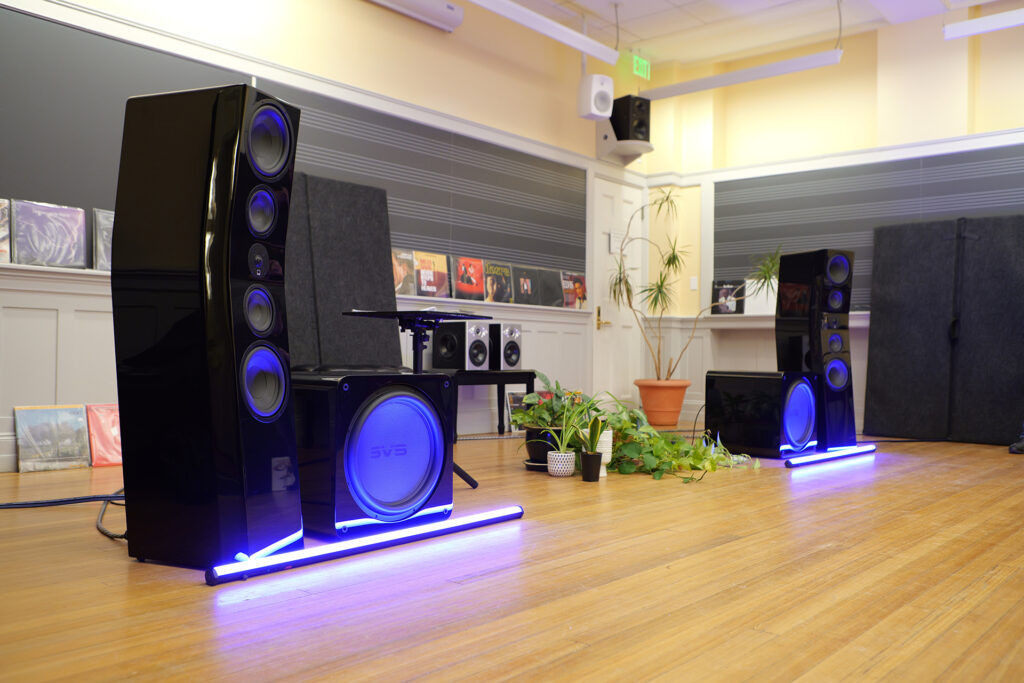
By On February 11, 2025, FutureAudiophile.com, donated a $100,000, plus a 2.1-channel, reference-level audiophile system to Harvard’s Shelemay Audio Lab. Program director John Pax is a 33-year-old PhD who is promoting the health, lifestyle and musical advantages of listening to music on a high-performance audiophile system. The students are encouraged to mix and master their own music in the lab, as well as to explore how high-resolution music playback can improve the emotional experience of listening to their music. Music-loving Harvard students are encouraged to explore music in all sorts of varied formats, ranging from archival recordings to more modern vinyl to HD files and streaming from services like Qobuz and more. The Shelemay Audio Lab at Harvard is one part mastering studio, one part recording studio and another part audiophile playground. The FutureAudiophile.com donation radically upgraded the audiophile element of the Shelemay Lab to a very high level, as the donated gear will be on permanent display. Students, faculty and anybody else associated with the lab are encouraged to explore music and technology in this vastly upgraded space.
What Lessons Did the Harvard Students Learn at the Launch Party for Their New Audiophile System?
In a program led by FutureAudiophile.com publisher Jerry Del Colliano, the students were given a short presentation on the modern importance of having an audiophile system in their lives. Anxiety, depression and stress are at epidemic levels with Generation Y students. An audiophile system offers a drug-free solution to these worrisome problems. “The days of selling stereo systems to Baby Boomer men on a machismo-based pitch like we saw in the film Boogie Nights is thankfully dead,” says Del Colliano. “Give me 15 minutes playing some chill Miles Davis, and I will show a person with stress, anxiety or even hypertension [high blood pressure] how they can measure the benefits of listening to music or, as I call it, living in their favorite art.”
Well-known industry consultant Marc Finer, who coordinated the launch of the Compact Disc for Sony in the U.S., gave the students a history lesson on digital media, ranging from Compact Discs to more recent and even obscure formats, including SACD, DVD-Audio and DAT tapes. Finer mused on how today’s music students can find value in legacy media while looking forward to other bleeding-edge, HD audio formats.
What Kind of Gear is in Shelemay Audio Lab’s New Audiophile System?
The new audiophile system at the Shelemay Audio Lab at Harvard is designed to be dynamic, accurate, full-range, visceral and accessible to multiple listeners. Gone is that “headphone effect” one gets from planar loudspeakers. The new 2.1 audiophile system accommodates listening in groups, versus a solo experience.
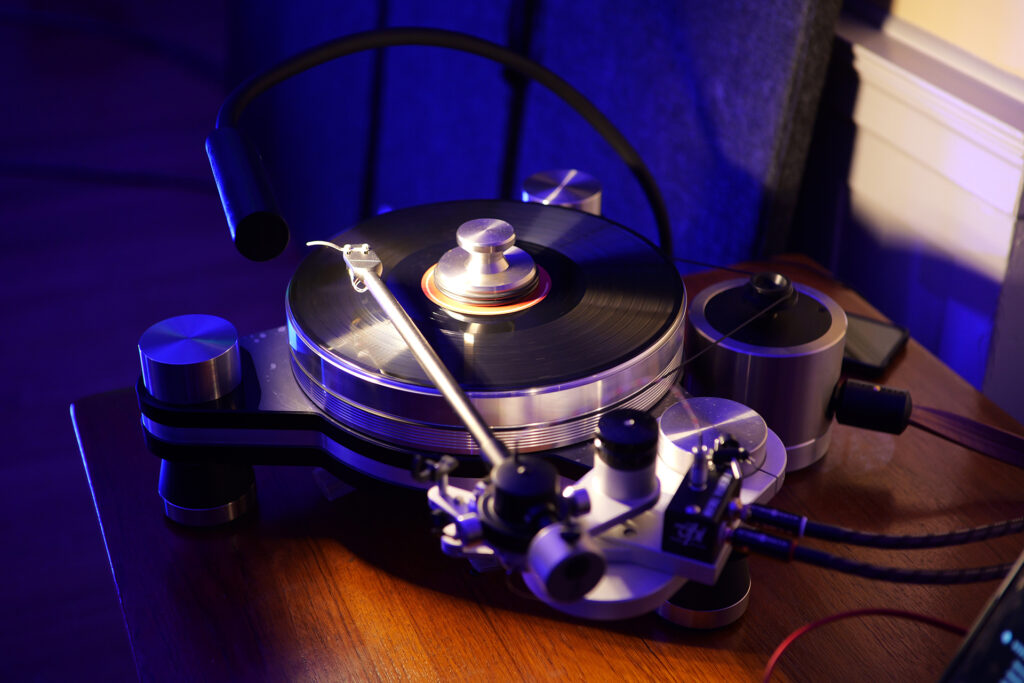
An audiophile music playback system is only as good as its sources, and the sources in the Shelemay Audio Lab are now first-rate. A $16,000 VPI Avenger turntable will be the flagship audiophile turntable in the lab. A VPI cartridge was selected to balance the need for high-resolution playback from vinyl LPs with being mindful of the physical demands made by students who might be a little heavy-handed with an often fragile audiophile component like a cartridge. The VPI Avenger is hand-crafted in New Jersey and VPI’s president, Mat Westfeld, is also a professor at Monmouth University and thus has an affinity for delivering high-performance audio to younger music lovers. The VPI Avenger is a case study in industrial design, as well as a delivery system for authenticity in music.
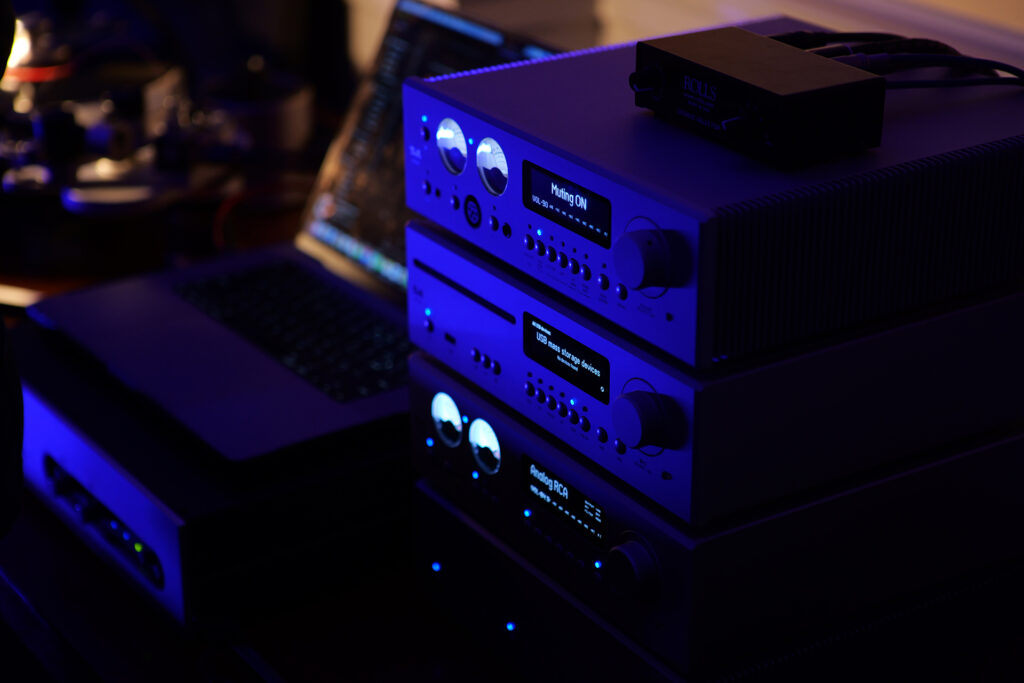
The electronics for the Shelemay Audio Lab at Harvard are provided by Germany’s T+A thanks to Dave Nauber. The T+A 200 Series electronics are built in Germany and are beautifully hand-crafted with their distinctive HV circuitry. There are three components in the system, including a source component called the T+A MP200 G3 that plays legacy silver discs, such as Compact Discs. The source component also provides streaming options in HD from streaming platforms like Qobuz, which was another sponsor of the event, giving over 250 free HD music streaming subscriptions to Harvard students. Long-term, any student can stream music in HD from Qobuz for $4.99 per month. The digital to analog conversion and stereo preamp functionality is state of the art and the 250-watt power amp, the T+A A200, is Class-D with a modified Purifi design.
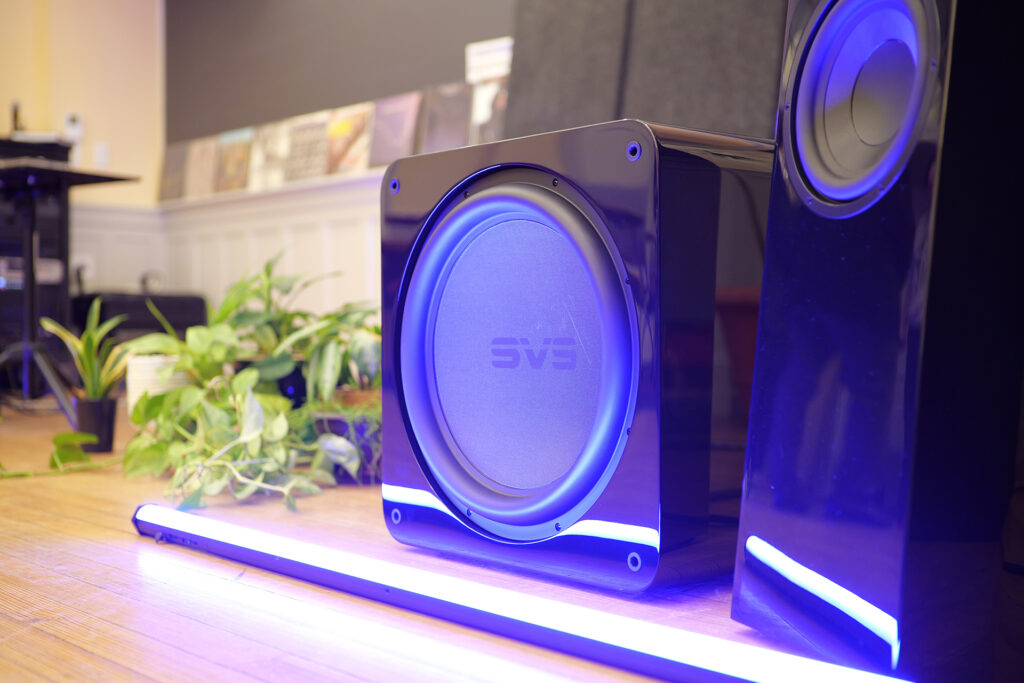
The speakers and subwoofers are from SVS and VP of Marketing, Nick Brown, including the $5,000-per-pair SVS Ultra Evolution Prime Pinnacle floorstanding speakers. These award-winning, dynamic audiophile loudspeakers are able to reproduce full-range sound while presenting an ultra-wide soundstage, which allows for more students to listen to music in high resolution without having to move to find the “sweet spot,” as audiophiles call it. SVS provided two of their SVS SB17 sealed box subwoofers, which allow the system to sonically dive deeper than then human ear can hear but any human can feel. A pair of these subwoofers now live on the second floor of Harvard’s music school, thanks to back-breaking work done by some charity-minded and quite strong students, as a single SVS SB17 is a two-person lifting project.
A full complement of top-of-the-line Wireworld cables were donated to Harvard by company founder, David Salz, and proved a colorless sound and well-shielded cables designed to avoid noise in the audiophile system. AC power management is also handled by Wireworld. All components in the Shelemay system use aftermarket, somewhat affordable but ultra-high-performance AC power cables.
Young Lucca Chesky from Chesky Audio teamed up with FutureAudiophile.com Publisher, Jerry Del Colliano, to talk about high paying (and super fun) jobs in the audiophile business.
What Music Was Played at the Launch Event?
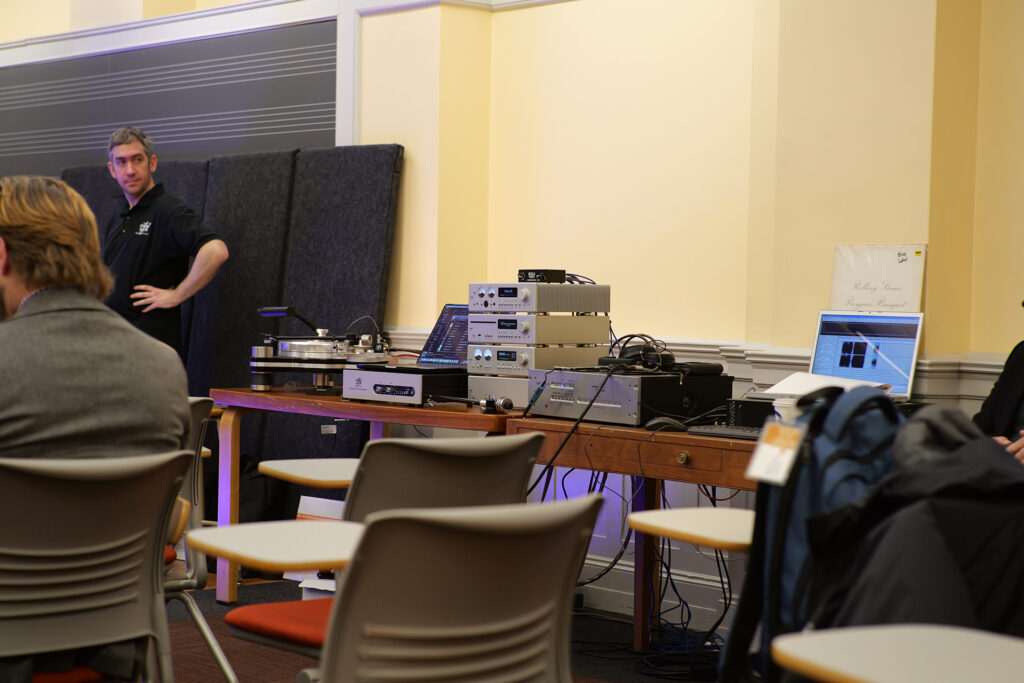
The new reference audiophile system at the Shelemay Audio Lab was the perfect vehicle for what many call the “Audiophile Pepsi Challenge,” which allowed the students to experience the same recording at the same volume across vinyl and HD streaming, as well as actual DSD (one-bit direct stream digital) master recording files provided by award-winning recording specialist Gus Skinas. Much of the music chosen for the program Skinas personally recorded to DSD for SACD, including “Superstar” by The Carpenters and “Gimme Shelter” by The Rolling Stones from their ABKCO catalog. The real sonic treat for the students was to hear a rare modern recording of Joni Mitchell and the London Symphony Orchestra, which was jaw-dropping.
After a question and answer session, where students shared their reactions and opinions on vinyl versus streaming versus DSD master recordings (the opinions varied, student by student), they got a chance to hear Beyoncé’s cover of The Beatles’ “Blackbird” and Michael Bublé doing his wonderfully recording of the standard “The Best is Yet to Come,” as well as tracks like “Vigilante SH*T” from Taylor Swift (there is an entire class at Harvard on the music and impact of Ms. Swift on the music industry) and even vinyl recording pressings of “A Day in the Life” from Sgt. Pepper’s. The importance of songwriting was a big topic of discussion during the event. A good audiophile system can make legacy recordings sound great, but it can’t make a mediocre song better in terms of songwriting, they learned.
Value Was an Overriding Theme at the Launch Event
Even Harvard students need to be mindful of budgets. Until the launch event, many of the students in attendance didn’t have an awareness of how good music can sound when being played back on a $100,000 system. Jerry Del Colliano dispelled the audiophile notion that you need to spend a fortune in order to get “the feels” (aka: goosebumps) when listening to music. Gus Sinkas played his Joni Mitchell recording back in DSD from his Apple iPhone, using a $150 digital to analog converter built into a tiny dongle attached to his smartphone.
The idea that one must spend a fortune to get great audiophile sound was fully disproved at the event.
The Future of the Audiophile Hobby Was Handed Off to the Next Generation
The audiophile hobby has been a male-dominated, mostly Baby Boomer hobby, and those enthusiasts are actuarially aging out. The young students at Harvard were challenged to attack stereotypes and find ways for them to get more music into their lives in modern, creative ways.
There’s no right or wrong way to accomplish such a task and, when successfully addressed, there are incredible health and lifestyle benefits.




While I enjoy the information presented in your newsletters, y’all need an editor, I find mistakes in your articles all the time. Sometimes it seems like these are AI generated.
We use NO AI for our content. We love AI but not for this.
We use a professional proofer for all of our news and reviews