
 By
By The mission statement for FutureAudiophile.com is clear and well-stated, in that we are trying to inspire the next generation of audiophiles to fall in love with the hobby in the same way that the original gangsters did. Generation X and the Baby Boomers have many shared experiences, like remembering the grandeur and importance of the stereo store. We remember owning (specifically buying) physical media, including the joy that came from spending every red cent that we had on CDs or LPs. Millennials, Gen Y and soon Gen Alpha have a totally different outlook on media and technology, even as one could argue that they love music more so than any of the generations that came before them.
One key difference between younger aspiring audiophiles and older generations is that the youth have never known a world without the Internet. They live on their phones and their phones have easy and low-cost access to pretty much every record ever made. The decision of what 45 to buy is not something that kids who use Spotify, YouTube.com, Amazon Music, Apple Music, QoBuz or any of the other streaming/online platforms ever have to make. In the past, strategic decisions needed to be made as to what software was purchased, as we do today when upgrading our audiophile components. Now, with the swipe of a finger, the entire catalog of music is at our disposal and can wirelessly connect to our car, our headphones, or to our music playback system. How young people now consume music is radically different than past generations did, and that is all because of the proliferation of the Internet.
Mark Cuban Predicted the Future as he is Apt to Do
My father was a publisher in the radio industry for decades. When he owned Inside Radio, a leading radio trade publication, he also put on an event in Phoenix for the industry, where he would finish with a panel discussion with the biggest and brightest names in the business: Mel Karmazin (CBS Viacom), Randy Michaels (Clear Channel) and so many others who made the decisions that had radio almost as big as the pre-bust Dot Com world in the early 2000s.
The trick was that my dad always picked one outlier or dark horse every year to keep things fresh and exciting. In 1999 or 2000, that character was a guy who invented something called Broadcast.com, before he sold said concept/company to Yahoo.com for billions. That somebody was Mark Cuban. I was helping my dad at his event that year as recent college grad and early player in the online publishing world. Cuban was very approachable and, when we got a chance to talk, he told me about his vision for the future of the commercial Internet at a time when it was so very new. He said to me “Jerry, it is all about the size of the pipeline,” meaning that when we were dialing in to Earthlink to check our email that the Internet was more of a novelty. Broadcast.com was, in effect, the start of streaming, long before Napster or LimeWire (that was peer to peer, but you get the idea). When the bandwidth of the Internet as a whole became more robust, we would be able to do things that we’d never dreamed of before. Boy, was he right. Television is delivered over the Internet. Music in HD is easily had over the Internet. Radio has been replaced by YouTube.com, which has videos that have been seen billions of times each. Artists build their followings with social media more than via organic means or through traditional media.
None of these amazing feats would be possible without the Internet as we know it today.
Are Audiophiles Too Reliant on the Internet Today?
Recently, I moved back to Los Angeles after the devastating January 2025 Palisades Fires that badly, badly damaged our home. My goal is to oversee the massive amount of work needed to repair it from a closer perspective, as we had been living about 65 miles away in Orange County for much of 2025. Having moved no less than five times in 2025, I have learned one thing, which is the first priority you might want to get cooking at your new place is an Internet connection. I did just that at my Marina Del Rey condo but, a day later, the Internet failed. I tried all of the usual tricks, as well as calling the company that manages the Internet for the building. In the end, that company sent out their technician the next day to find that the connector in the wall had gone bad. Holy troubleshooting, Batman, that was a tough one to figure out.
What I learned from the day of no Internet is that one’s 5G cellphone isn’t as reliable of a connection as the TV commercials would lead you to believe. You can check your email and send texts. You can read some websites, but it isn’t like having 1,000 MBPS Internet service and, for those of us who need HD music streaming to make their living, we are basically hooked on the Internet.
What is the Solution to an Audiophile’s Reliance on the Internet?
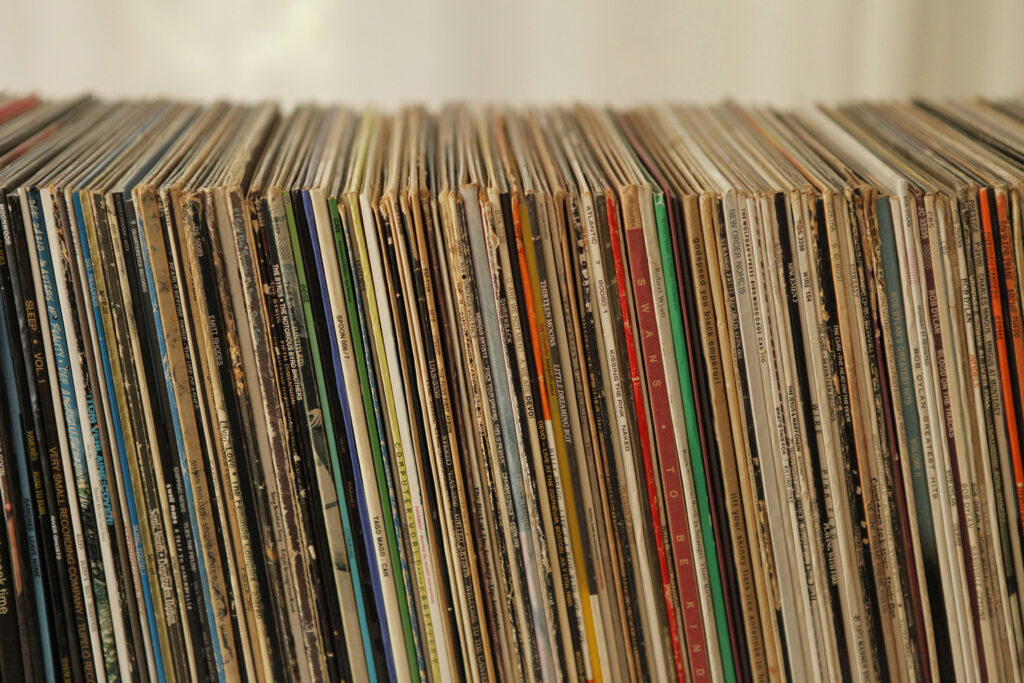
Having recently purchased an electric vehicle, I have a hard time, just two months later, seeing me ever needing a gas station for anything other than to pick up one of those 1.5 the normal-sized Diet Cokes and/or a bag of Cool Ranch Doritos. The idea of busting out my roughly 1,500 dusty-ass Compact Discs is equally as hard to imagine. With thumb drives that are a terabyte in storage size and priced well under $100 on Amazon, I could (and likely should) have my entire ripped music collection on demand from my music streamer in a way that doesn’t require an Internet connection. Alternatively, if I had some form of silver disc transport, that too would be a solution that doesn’t demand an Internet connection, and many think a silver disc can sound better than streaming (I am not so sure, but I am willing to indulge the concept). Vinyl is an even more relevant solution, as this 100-plus-year-old music playback format, which is 100 percent analog, in no meaningful way needs the Internet. I am talking with vinyl guru Michael Fremmer, as well as Mat Weisfeld at VPI, about getting my first high-end turntable. After being without a good Internet connection for the better part of 24 hours, I see the value in such a format more today than yesterday.
Some Final Thoughts About Audiophile Reliance on the Internet …
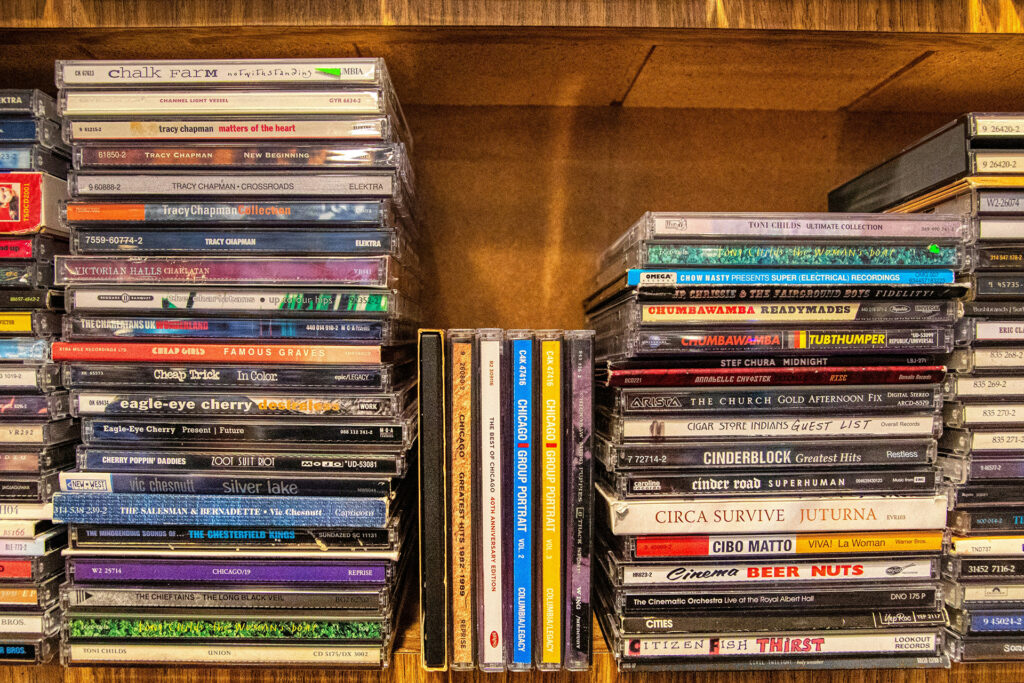
The Internet has changed the way that everyone consumes and enjoys music in the modern era that we live in today. LimeWire and Napster weren’t the best business models for the labels, but they were game-changing for people who loved music, as they could get at-home access to all sorts of files without paying for them. Apple selling music on the iPod was another big change for music lovers. Today, the iTunes Store is what young people think of first when it comes to buying music. Sorry, Tower Records or Virgin Megastore … Your days are long over. YouTube.com makes it so that you can experience basically anything musical without having to buy a record “on spec” as us older folks used to do. At $15 a pop, buying Compact Discs that weren’t what you liked added up to be a costly mistake. Today, there is no reason to ever speculate on new music, as there are so many free ways to audition the music that you might want to own that nobody ever needs to risk their $15.
Today’s audiophile benefits greatly from the Internet. The music management software platform Roon (learn all about it here from Brian Kahn) is a great example, in that while it is a little light on which streaming platforms that it supports (say, compared to BluOS or Sonos), the meta data on the music is simply amazing. Reading liner notes on an LP is one thing, but using relational databases and AI to find new/better music is next level, which can’t be done without the Internet.
My distaste for Elon Musk and his politics makes me so activated that I not only won’t own a Tesla, but I won’t even go in a Tesla using a rideshare app. With that said, I had come VERY close to buying the Starlink satellite Internet setup for $600 for our house, and it would have been huge on January 7, as the Internet was the first utility to go out (the cellphone towers all would burn down eventually, too, but that came later). For a while, I had ViaSat satellite Internet as an $80 per month backup. It wasn’t reliable and was beyond slow, but it did offer another option for getting online at home when more than one of us worked there. Diversity isn’t a bad thing in technology or for our audiophile systems. It seems likely that, at some point, your connection will go down for whatever reason, and having some form of backup to keep your music system still rocking is not a bad idea. Not a bad idea at all.
Are you too reliant on the Internet? How do you use the Internet as part of your audiophile system? Tell us here in the comments and we will post them ASAP.




I have become reliant on the internet. I ripped around 1200 CD’s to my music server’s HD BUT still have to have the internet for the app to control this music server. I also stream from a music service from the same music server. Luckily the internet has become very reliable, as I’m knocking on wood. I still have my CD’s and a transport if that fateful day comes where my internet is down for any considerable time.
I played LP’s for decades until circumstances made that very difficult. Having music at your fingertips is addicting.
I concur. There is nothing like the convenience of thousands of stored tracks accessible on mobile devices and/or computers. I keep copies of my collection in a couple of locations for safekeeping and I too held onto my CDs. I sold all my vynil last year and my turntable before that. I stream a little when I am working at my desk and play back my own tunes when I am focused more on just listening.
Thanks Jerry
Sorry to hear about the fire and all the moves you had to make over the past year. Great column as usual.
I have my 5500 CDs ripped in FLAC and now mostly listen to them in random play mode. As a curated collection it is astonishing for my ear because it is my taste in music. Rarely do I skip to the next track but I do hear songs I have never heard before.
I agree that we too dependent on the internet. My CD collection is now not dependent on an internet connection but it is helpful as I can access it from an app and choose what I want to play. Vinyl is still my favorite format but you know that is some heavy duty material and I am not referring to the sound but the weight.
Wishing you a better 2026.
I wonder if, given today’s technological standards, you could call yourself an internet addict? Yes and no 🙂 I already have a well-deserved PESEL number 🙂 I have a large CD collection and some vinyl; I remember how difficult it was to get them… I currently use streaming services and try to do so consciously. I’ve been a music lover for many, many years and I really appreciate the ease of access to record libraries. Everything is for the people; how we use these benefits is up to us. Warmest regards!
I don’t use the internet for music. I have vinyl, cd’s, cassettes (!) & spend a lot of time on fm radio. Why have so many abandoned & discounted this? I’m sick of hearing about dac’s & streaming etc., etc. All these subscriptions & more tech gear. I appreciate a good DJ (Tom Colson- “hacksaw jazz” ) that curate & give some brief background on music, rather than this faceless “stream.” I shouldn’t knock it for those who enjoy it, but where does the quantity replace the quality. I’d really like to hear more about internet RADIO! Why is this such an unexplored & non-discussion topic? That’s the direction I’d like to pursue as far as the internet. FM options for jazz & classical are thin in my area, whereas internet radio would give me the world & my understanding is much of it is free. As much as reviewers totally discount the fm tuner in some new receivers & skip over it to wax on about the streaming blah, blah, a recent forum on “Audiogon” on fm showed a LOT of audiophiles DO listen to fm. This isn’t some luddite thing, any more than vinyl or cd’s are. I’ve read the “young” crowd is ditching their smart (dumb) phones for flip phones because they’re tired of all the tech & want simple stuff, which has fueled the resurgence of vinyl, cd’s, physical stuff you can hold in your hands & appreciate the art & the “concept” of an album rather than some “top 40” disembodied stream….
Sorry, I don’t mean to diss those who stream, but to me a lot of it seems like a “bandwagon” thing the streaming services are pushing because “that’s what everyone’s doing now…” It’s like everyone has to have an ugly bloatmobile suv now because that’s what the proverbial “Jones” have. Consequently, the auto manufacturers (at least in the U.Sl) have stopped making cars for the most part. They can make more $$$ throwing a “sort of” passenger vehicle body on a truck chassis & the lemming public is hooked. It’s “all about the Benjamin’s baby”
& pushing more tech that is not necessarily better music wise than other formats, but it’s another device & service that can be sold. I’m not against innovation, but stop & take a breath.
Today, Internet service is like other utilities, such as water, gas, electricity — a necessity for modern life. Though most of us can get through a short power outage safely, we still are happy to have it back and don’t expect life to be normal without it. The same has become true of Internet service.
We can look back in daydreams at a time before radio or (obviously) the Internet. Hearing music meant making it yourself, appreciating a family member or friend who could, or attending a concert. It was a different day, one that will not return. I’m among those who think music is better live and unamplified.
Yes, we are dependent on the Internet, but too much so? Not for music, but perhaps for offloading problems that thought or critical analysis to some chatbot.
I drive through the mountains or in remote areas at times, so I keep a 256 Gb thumb drive of music in my car. I wind up using it more than I expected.