
 By
By Interior design is something that I spend a pretty good amount of effort on in both my professional and personal life. I find it a creative outlet that directly affects your overall happiness and living well. Right now, I am oddly living in an insanely nice condominium in Marina del Rey on the seventeenth floor of a modern, luxury full-service building while I try to get State Farm to honor their word and pay the $572,000 needed to restore and abate our fire-smoke-water-wind-damaged home in Pacific Paliasades, located a mere 2,000 yards from where the largest natural disaster in United States history started. We are on literally our ninth adjuster in nine months, which is the legal definition of bad faith insurance, which we can deal with later in court later. For now, I am away from my family in hopes of overseeing the restoration of our home.
Back to this condo: this place is out of my league financially, but I really love it. Let me be clear, $11,000 a month is batshit insane money for rent. While it is paid for with ALE (alternate living expense) money from our insurance policy – if insurance wasn’t paying, my money manager told me that it requires one to use their first roughly $180,000 on non-tax-deductible income to pay rent and own nothing. Friends, I don’t charge enough for our ads to make that sustainable, but for the approximately the next six months, I plan to live like a rock star back up in Los Angeles. That includes making my condo not just well-decorated but highly functional for my audiophile system, which for most of 2025 was either destroyed or disassembled. Well into Q4-2025, I am just getting back up to speed with my audiophile system and editorial contributions. Sales need to become a higher priority starting next week, as it is now renewal season. I am so very thankful for our compassionate, capable and understanding editorial staff, as well as our fantastic sponsors, at FutureAudiophile.com. This group of very important people in my world have covered my ass for this year while we’ve been under total duress. I can’t thank them enough. I really can’t.
When Did Carpet Go Out of Style?
I love carpet. I have spent good money on carpet in every home that I’ve owned in L.A., and that is a growing list. But carpet isn’t popular anymore somehow. Hardwood floors are. Natural or even synthetic stone and/or tile are popular. “Trendy” is one thing as interior design trends come and go, but “shitty-sounding” is another thing and that’s what an audio room with nothing but hard surfaces is. Take it from me, because that’s where I started with my new room.
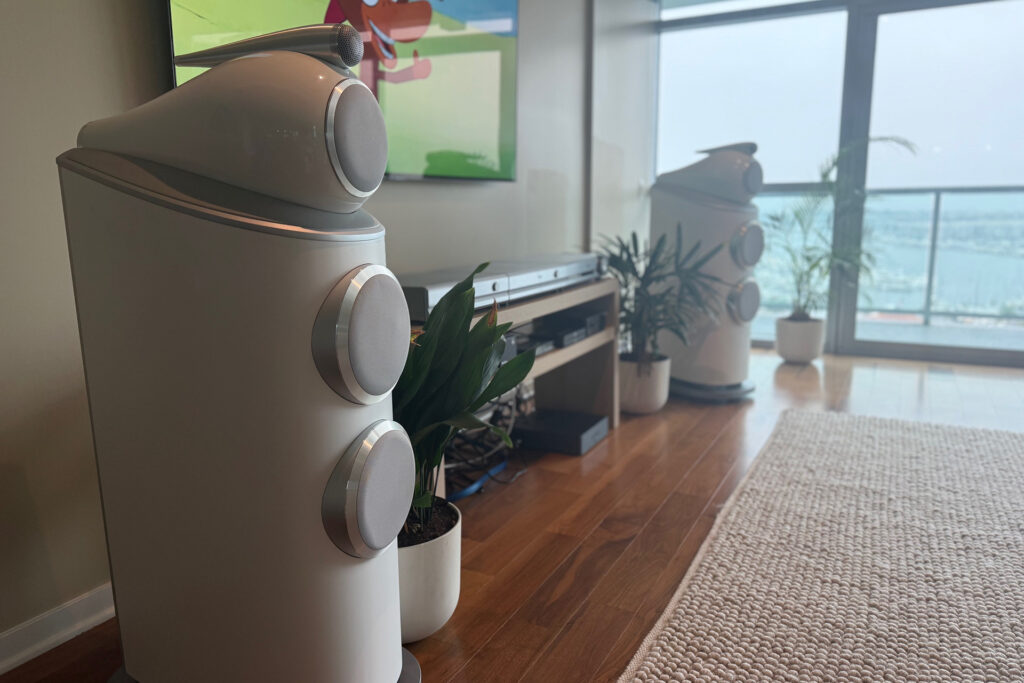
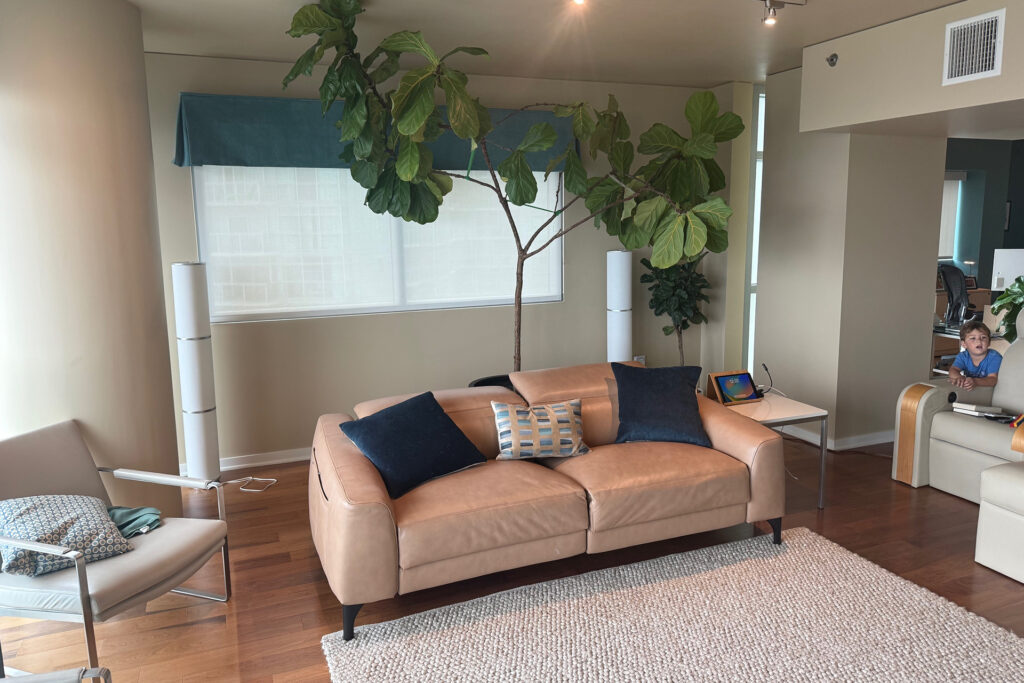
The view from the seventeenth floor of my Marina del Rey “deluxe apartment in the sky” is just absurd. You can see easily 2,000 high-end yachts (some you might call ships) in the Marina, including a four-story, easily 300-foot-long vessel that I learned is owned by Larry Ellison of Oracle fame. Call me a technology cyber stalker if you must, but Marina del Rey is at the epicenter of “Silicon Beach,” which is the local descriptor for all of the Hollywood outposts for Northern California (Silicon Valley) tech giants. Think: Apple, Google, EA Sports. There are hundreds of them within a five-minute drive from where I am currently living. Back to the view: it is mesmerizing during the day and even more magical after dark. For an aviation buff (I am in my seat on a flight back to Los Angeles from my hometown of Philadelphia as I type), I can sit in my new Australian King Living sofa and watch the Airbus A380s and Boeing 787 Dreamliners take off, while listening to Coltrane on my Bowers & Wilkins 802 D4s (read my review). That takes the audiophile experience to the next level.
While I am painting a very pretty picture of this 2,500-square-foot living space (did I mention the valets charge my EV for me at night – God, I am so soft these days), but there are nothing but hard physical surfaces. And this is sonic hell. Without help, the high frequencies are just brutal-sounding by music playback standards. No savvy audiophile would be impressed with my open floor plan, high-end stereo system without a little bit of work on the acoustics.
How I Attacked the Reflections (and Other Acoustic Issues) in my New Listening Room …

I already told you that I love carpet, and the two bedrooms of this condo are thankfully carpeted, yet the main living space is not, as it has hardwood floors. The open space is huge and my three-year-old likes to ride his scooter around because, even with seating for easily eight people, there is legitimately room for kid scootering. My first sonic solution was a new and somewhat odd one for me – I bought a fancy rug. Literally, in all of the homes that I’ve owned in Los Angeles since my early 20s, I don’t think I ever bought a rug. Knowing that I wasn’t going to live in this space forever, I needed to be careful with my spending, as I am way too good at shopping for home goods without price tags.
I started my rug shopping at IKEA. Respectfully, I thought that I was over IKEA, but I really am not. I bought three LACK pieces and use them as audiophile equipment racks with a retail price of under $200 each. Score, right? IKEA’s carpets were priced right, but they weren’t big enough. They weren’t cushy enough and generally they didn’t fit.
Next, I went to another staple store for my interior design needs, which is Minneapolis-based Room and Board. People who grew up on IKEA might someday graduate to this. Their furniture is modern in design, yet classic enough not to be too trendy or out-there. A good portion of their furniture and home goods are made in America, which is great. What’s even better is, while you can go fully custom with your designs, they have lots of stuff that can be bought and delivered in just a few days. Their rugs were many factors nicer than IKEA. I then learned that the prices were many factors higher than IKEA, too. Many factors! The rugs for sale were admittedly gorgeous. They were cushy and absorptive enough, but if they were made in the United States (they actually list the states that the rugs were made in, which was cool), the prices were way above anything that I could consider. $4,000 for a 9×12 rug is a no-go. The rugs for sale there made in India, for example, were half or less the money and comparably nice. I made note of a few of those imported rugs and kept shopping.
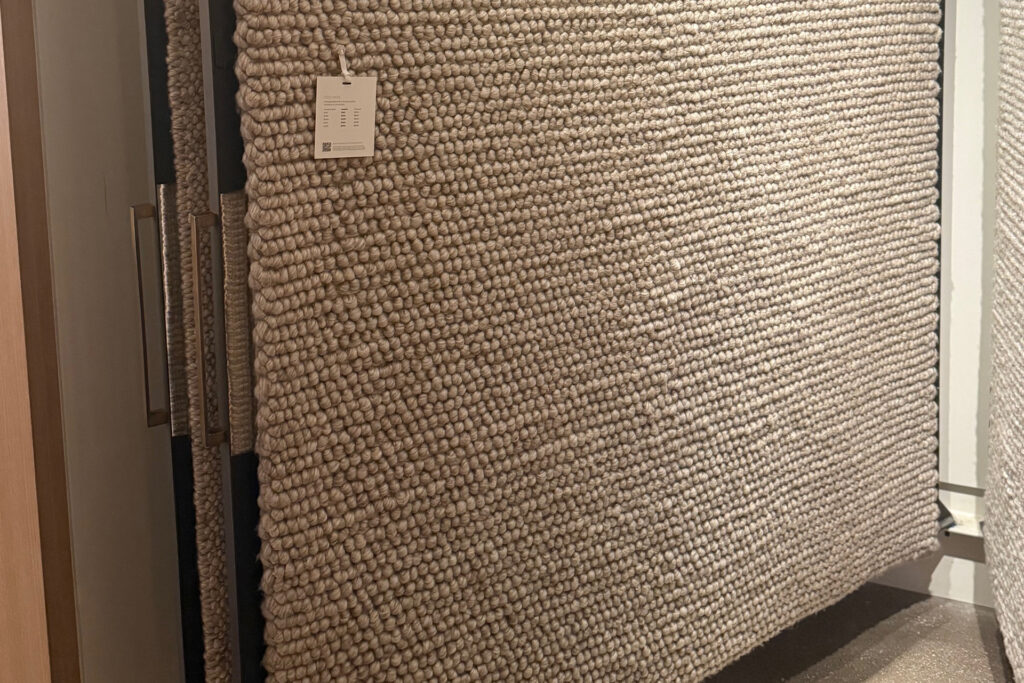
Next, I went to another go-to home furnishing store, which is Restoration Hardware. Years ago, this company was more like Williams and Sonoma (the high-end kitchen/cooking retailer), as they sold high-end house cleaning supplies and other curated stuff. Today, Restoration Hardware is something completely different. Their retail stores are in premium locations and gigantic in size. They sell a more focused collection of furniture and associated goods. At the location that I went to in Fashion Island in Newport Beach, they have a downright fantastic restaurant on the roof with a 360-degree ocean view. This place is swanky, but they are also very good at their trade, which anyone like me who makes their living in sales will appreciate. When you walk in, they greet you and, if you want to work with someone, they find you a good match. There’s very little pressure, but they are quite helpful. For this trip (I had already bought a really cool bunk bed for when my kids come up to Los Angeles to hang with their Dad), I was in the market for a rug, and they had dozens and dozens to choose from. I expressed to the sales guy that I had no idea how long that I might use this rug, as it could be six months, or it could be a year. I just didn’t know, so I didn’t want to invest too much money. He was respectful of that information and showed me some of his more entry-level options. You know what? While they weren’t made in North Carolina or Georgia, they were really, really nice. One stood out to me, which was a slightly off-white rug that had a weave in it that looked like rope, which was visually interesting, but what was key for us audiophiles was that it was soft and sonically absorbent, which in my room is a pure necessity. The price at $1,200 was the lowest that they had, which wasn’t cheap to me, but there were many other equally luxurious options that were $4,000 or more for the same size, so that it seemed like something of a value. The closer was that I could have the rug delivered to the condo in a mere three days. Done. I bought it.
Can a Rug Make That Big of a Sonic Difference in a Lively Audiophile Room?
To say that I was blown away by the change in sound in my room would be to understate matters. This $1,200 rug really sucked up a lot of energy in a room that truly needed it. Would carpet have been better? Likely yes, but it was impossible. The sonic impact was immediate, as the first order reflections from the floor were now not bouncing all over the place. The imaging tightened up. That somewhat shrill, reflective high-frequency issue was resolving itself.
One might not think of a luxury rug from a nice furniture store as an audiophile product, but guess what? It is.

What Else Did I Do to Make This New Audiophile Listening Room Sound Better?
The biggest mistake that most audiophiles make when they first start doing some early room treatments is to make the space sound too dead or “sucked out.” We’ve all done it, and an overly dead room sonically sucks, albeit in a different way, like an overly hot or bright-sounding room. Both outcomes are less than optimal, but thankfully easily avoidable.
My next move was to import (and carefully clean) the plants that I had been caring for at our home in Pacific Palisades. House plants are trendy as hell with Millennials and other younger demographics. Plants look good and add depth, color and texture to a room, so when I brought in my gigantic fig tree from the house, again, the room changed in the physical domain, as well as in the sonic department. Plants are a pretty good diffusion solution. Are they as good as one of those cityscape treatments with various shaped squares on it? No, but they are good. Other good, more organic solutions include brick walls or even a wall lined with Compact Discs and/or vinyl. Those too are suitable diffusion, which can make for a better sounding listening space.
What Comes Next for My Listening Room?
There are a few names in the acoustical design and room-tuning space, and smart audiophiles seek the design and consulting help of the likes of Anthony Grimani, Bob Hodas or, say, Keith Yates. These guys are very good at their job and, dollar for dollar, they are worth their weight in gold, depending on the level of investment that you have in your system. They’ve all got ways to get the most from your listening space but, realistically, few of us are going to be able to use this level of consultation. For those of us with far less budget, I can recommend GIK Acoustics. Not only do the GIK treatments work well, but they are quite affordable. I used their Turbo Trap Pro bass traps (read my review) at my Palisades house before the fires destroyed them. Considering that they were a $369 upgrade that made a $10,000 difference sonic in that room, it was the best money that I ever spent on my system in terms of performance increase versus financial outlay. What’s great about the GIK guys is that they will do real acoustical design for you at no cost. You read that right. They will help you get fully dialed in with their low-cost treatments and they will play the role of Tony Grimani for no cost. It isn’t that Grimani won’t help me with my system if I ask, but why call in the favor if I am only going to be here for a limited time? The GIK guys can get me more dialed in without calling in a favor, and their treatments are really high value.
What Did We Learn from Rug Shopping as an Audiophile?
First and foremost, there is no one concept that factors into the success of your sonics in your listening room more than investing in room treatments and acoustics. Dealers won’t always tell you this, as most would rather sell you some new cables or gear, which is easier as a transaction and possibly more profitable, but it doesn’t yield the same level of positive results. Acoustics deliver at this level.
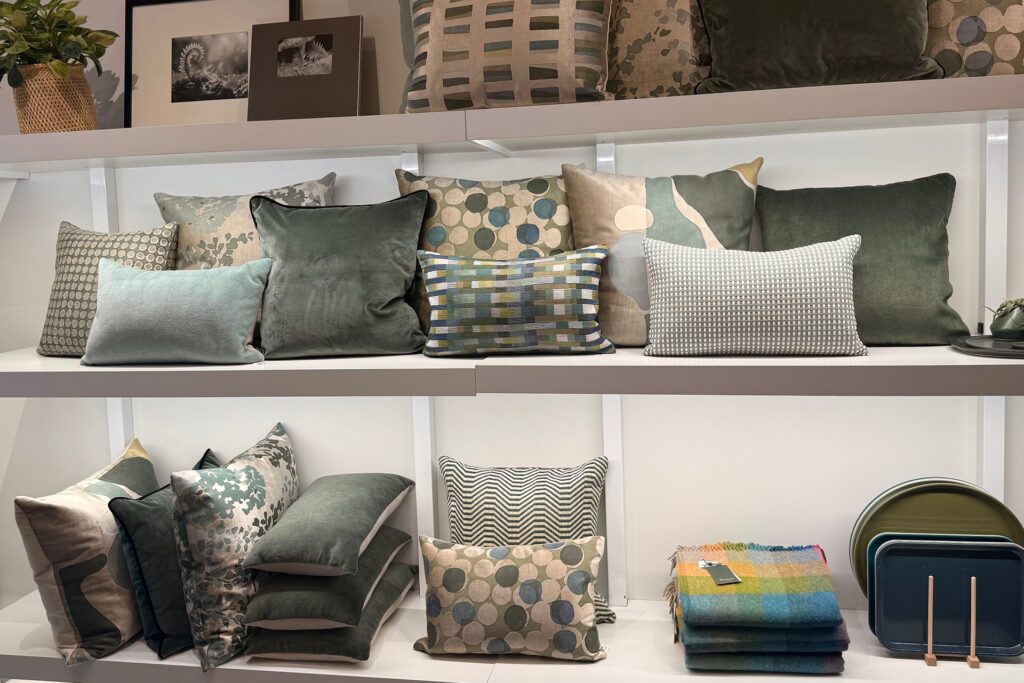
Next, the idea of giving your listening room the level of interior design that the rest of your home might get makes your audiophile system more relevant, and you look less like a stereo nut to the mainstream, non-audiophile world. Everybody loves music, but perhaps not audio at the level that we get into. Delivering audio in a way that is emotional and engaging is what makes our hobby great and worthy of promoting to others. Sharing the benefits of audio with your friends (especially people of the female gender, who oddly are rarely into the audiophile hobby) is how the hobby goes from a quirky niche to a luxury lifestyle element of your home. Your music playback system is less about machismo as it is about wellness, calm and a way to live inside of your art. When you look at your audiophile system more in those terms, larger investments become more and more relevant and justified.
The audiophile hobby as it has been known isn’t the future of where we are going. Newer audiophiles are less willing to have mess, clutter and poor overall design. Newer audiophiles seek value and despise voodoo, hyperbole and especially inauthenticity. Treating your music playback system as a part of living well in your home is going to make your audiophile journey more welcoming and relatable than the one chair in the sweet spot setup that we think of as an audiophile cliché. It isn’t hard and it isn’t crazy expensive to improve the performance of your system, while making your audio system an integral part of your living space for all to enjoy.
Have you found any products that helped improve the sound of your room? Where do you go for acoustical treatments and acoustical advice? What percentage of your system budget is allotted to room acoustics? Share with us and we will approve your comments ASAP.




I had exactly the same experience. Ten foot ceilings, drywall, lots of glass and tile on concrete floors. We added a 7’x 8’ 3/4” height poly/wool blend rug which covers about 50% of the space and voila…brightness toned down, imaging better and even the low end a little better. Two thumbs up for rugs.
Totally agree on the carpet (9×12 handmade Bokhara). I also use a thick underpad to further absorb reflections. Easily the first audio upgrade given a hard floor. I also use heavier drapes. I will eventually add bass traps, diffusers, and wall absorbers.
I am scared to mess with my INSANE VIEW and I likely will be moving again by April 1 (6th time since the Palisades Fires on 1/7/25)
Jerry, being a apartment dweller with carpet I can see where you are coming from. Love the view from your condo and I like the couch you chose too.
I likely will live in an apartment for the next few years. Maybe not this one. Ouch on the rent. Killer view.
King Living is the sofa.