
 By
By One of the biggest challenges that the audiophile hobby faces is awareness across any number of demographic groups or genders. It is true that most women aren’t drawn to the hobby for a whole host of reasons, but not loving music isn’t one of them. Pretty much everybody loves music at some level or other. It doesn’t take much to convince them to play back music in their house in some form, but to get them addicted to great sound like enthusiastic audiophiles is a much, much higher standard. Is it impossible to get people with the financial qualifications and a love of art, specifically music, to also love audio? No. It takes a little effort, but it is absolutely doable.
What Do Rich People Buy for Music if They Don’t Buy Audiophile Systems?
I have been fortunate to be invited over to many people’s fantastic homes here in Los Angeles, as well as all over the nation and even world, and there are two audio/music-related products that you will see once inside. From an audio perspective, there is zero guarantee that you will find an audiophile or traditional two-channel music playback (stereo) system. If they do have one, the most likely brand that you will see is Bang & Olufsen (B&O). Some more snobby enthusiasts will suggest B&O isn’t real audiophile gear, but it is luxurious, sculptural and can be pretty high-performance in the right venue. The other more musical element that you will find in said homes, far more often than anything else audiophile, is a piano. My mentor, the industry legend Mark Levinson, taught me many important lessons over the years. One of the best was how to qualify a male client. Here’s the short version: never judge him by what car he drives, as many people who live here are way over their heads when it comes to their automobiles, thus driving an S-Class Mercedes Benz or a big, black (seemingly, they are always black) Range Rover means nothing in terms of their ability to buy. Mark taught me to look for specific types of belts, shoes and watches – in that order. The guy with the crocodile belt likely is wealthy. The guy wearing a pair of $1,100 suede Tod’s driving shoes is also your well-heeled guy. But the man’s watch is where you can really dig into the art of sales qualifications. The dude with the Rolex Presidential that is dripping with bling needs you to know that he has money. This could be a fine client, but the guy we were looking for was more often dressed like Steve Jobs in a simple black T-shirt and jeans, but rocking a complicated movement Patek Philippe watch. One small comment that you know what’s on his wrist lets you in the “watch club” and that is a big breakthrough in terms of trust.
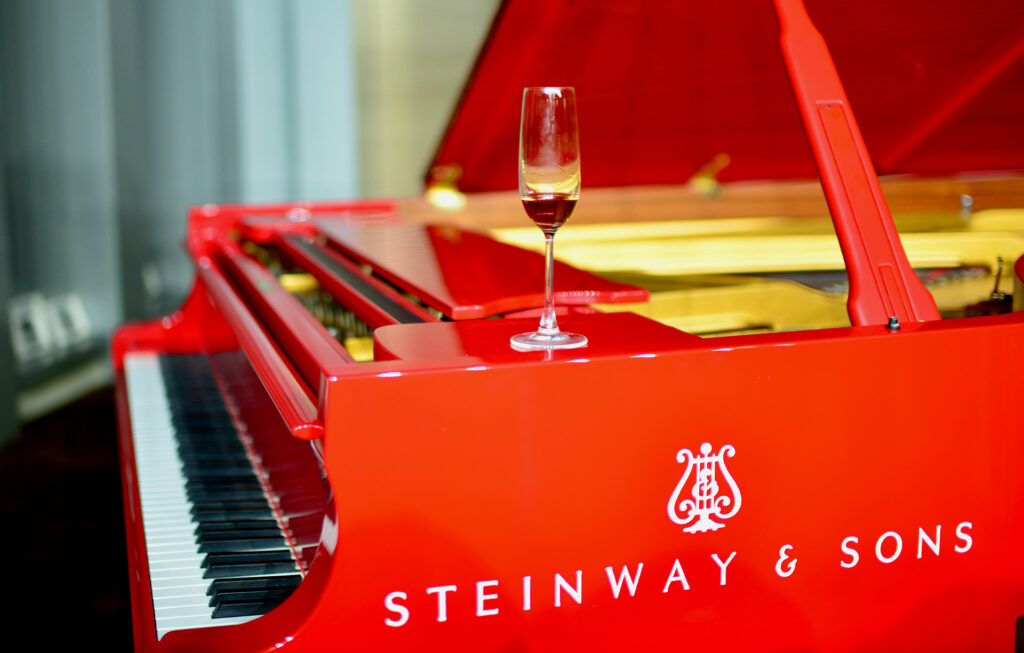
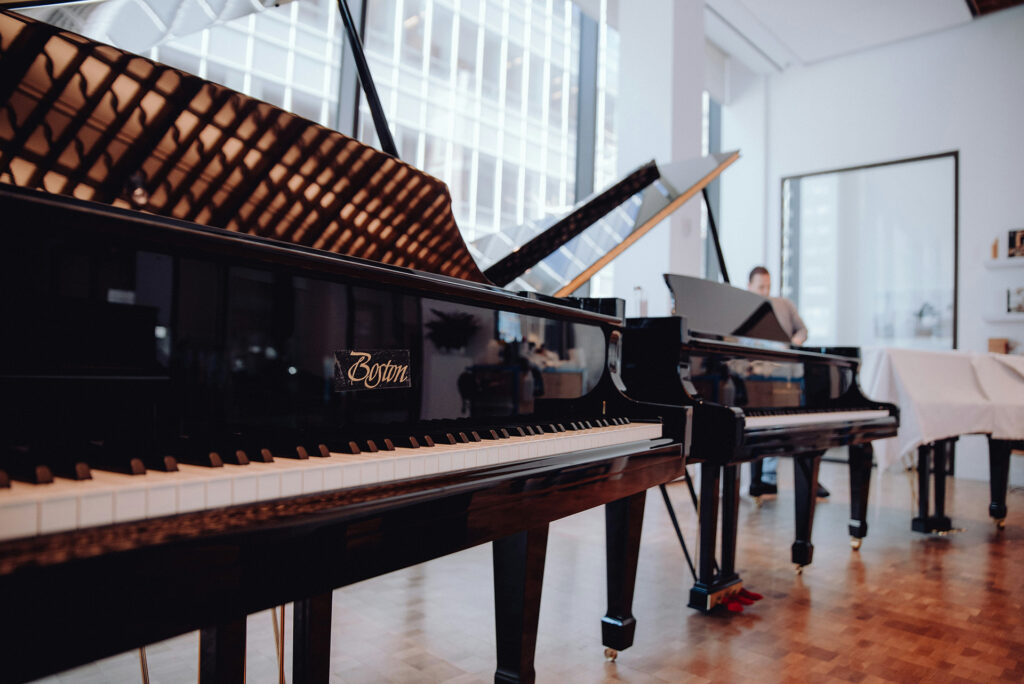
The next standard for qualifications for Mark was when you got to their home and saw what type of piano they have. Even a modest Yamaha piano can be $25,000. More often than not, wealthy people will have perhaps a Steinway, which can be well north of $100,000 for such a wonderful instrument. Mark was fond of more exotic pianos, such as the August Forster. That is tantamount to having that Patek Tourbillon movement on your wrist, in that it is not just expensive, but it is also a statement about style, quality and performance. This makes for an excellent audiophile client.
Marketing Audio Through Piano Resellers
If I were selling audiophile equipment today and owned my own retail store/operation, I would not have a standalone physical location. I would want to put a location in the local FBO (fixed-based operations – aka: private jet airport) or at the local Four Season Hotel lobby or, better yet, somehow rent some space inside the best piano retailer in town. When I worked with Mark Levinson at Cello, he was in with the Steinway Store in Manhattan and he would bring clients to them and vice-versa. It was a beyond-successful, win-win relationship that, even back then, led to million-dollar-plus stereo system sales. That was the mid-1990s!
The person who loves music always loves music. They want to hear their art sound its best and, within reason, will want to be able to play music back at home without needing to tickle the ivories. As a hobby, we don’t need to sell everybody a six-figure stereo, and ones costing a fraction of that can reproduce music in massively meaningful ways. People with pianos get that and have proven that they will invest in music, so why not a little audio?
Why is an Audiophile System Better Than Owning a Piano?
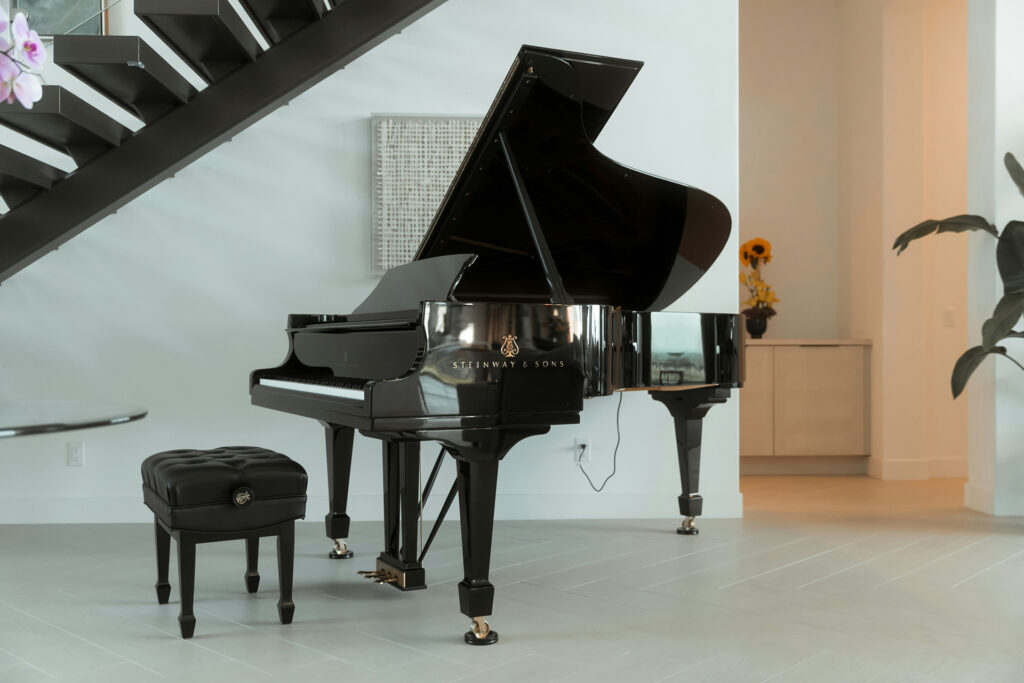
Often the investment in a formal piano is one designed to turn your child(ren) into a prodigy. 99 out of 100 times (if not more), this aspirational goal doesn’t happen, but the piano gets purchased anyway. In my post-Palisades Fire rental in Laguna Beach, California, there was a Steinway piano and it was fully worthless in a beach home. The piano black finish showed the sand and dust within 30 minutes of the cleaning lady leaving. The space that it takes up often just isn’t justified when compared to how much real-world musical value the instrument brings to our lives on a day-to-day basis.
Compare the value that a simple, well-crafted, design-centric audiophile system, which can stream any recording, often in HD formats, on demand. Said stereo system can also be part of a vinyl playback system that allows for us to have a badly needed, non-blue-light, non-digital experience. A simple audiophile system can open up a world of music that is used every day, when a much more expensive piano can be a five-to-six-figure boat anchor for your family room.
Trading in a Piano For an Audio System
Selling a piano isn’t impossible, but the weight and fragility of the instrument comes into play. The term “piano mover” comes from a very specific task. At Cello Music and Film in the 1990s, we used Carol and Jans, who were piano movers. The were very deliberate and careful. Often, people sit on pianos as long-term investments or possibly antiques. If the instrument is providing joy (referencing Marie Condo, the organizational expert and writer), then keep it. But if the item is not a source of joy, perhaps it is time to reinvest your money, space and passion elsewhere?
Some Final Thoughts About Pianos and Audiophile Systems …
I’ve written about how, unlike many luxury-based hobbies, the audiophile business is an “or” business,” versus an “and” business. Wine collectors drink a bottle of wine and it is gone. A watch collector rarely ever sells a Rolex to buy a Patek. They just add to the collection. An audiophile who wants to go from, say, a Mark Levinson solid state amp to perhaps an Audio Research tube-based amp more often than not sells the Levinson to pay for the ARC. That’s an example of an “or” business.
The fact that people who are financially qualified and who love music often buy pianos is a plus business situation, as there’s no real downside. If you can afford to own your own piano of a certain quality, you will likely also be qualified to invest in a rock-solid audiophile music playback system. There’s nothing but upside for an industry that, specifically at the retail level, just doesn’t do enough creative outreach. We need to expose the calm, passion and joy that can come from owning an audiophile system to a much wider, more diverse audience. Take it from me, this is no small task that we took on with our mission statement back in 2023. If we have the fortitude to take on the challenge to expose our wonderful and ever-more-relevant hobby/passion to new, younger and more diverse people, we will not just be doing the audiophile business a favor but, more importantly, we will be bringing health and happiness to the tens upon tens of millions of music lovers out there.
Do you own a piano? Did you grow up with one in your home? Would you want an audiophile system over a fine piano in your home? Let us know your thoughts and we will publish your comments right away.




We shouldn’t forget to mention Steinway Lyngdorf, which for nearly 20 years has been a collaboration of Steinway & Sons, the famous piano maker, and Lyngdorf, the Danish maker of high-end electronics. Peter Lyngdorf, also owner of DALI, a founding partner in PuriFi, established the collaboration. Through the years and through different companies, Peter Lyngdorf has been an important figure in digital room correction and digital amplification. I first ran into him when I owned a TacT 2.2X digital preamp, one of the first room-correction preamps available.
According to the company, the goal is that Steinway Lyngdorf systems will reproduce the sound of a Steinway & Sons grand piano to the highest degree possible.
I am reviewing Lyngdorf’s TDAI-2210 integrated amplifier, which includes their proprietary RoomPerfect room correction and their latest-generation digital amplification.
In some ways, my audiophile journey and my personal musical journey have run parallel.
As a pre-teen, I was exposed to Dick Hyman playing the Lowery organ on a few Command record albums (Moog synthesizer music as well). Mom and Dad went above and beyond by getting the family a Lowery spinnet organ, and I bought a Marantz 2215, and related gear.
Decades later, I bought myself a retirement gift of a Hammond B3 with Leslie, as my musical preference moved to jazz. At the same time, given some cost and size constraints, I’m still looking for speakers that will approach the sounds of the live Hammond!